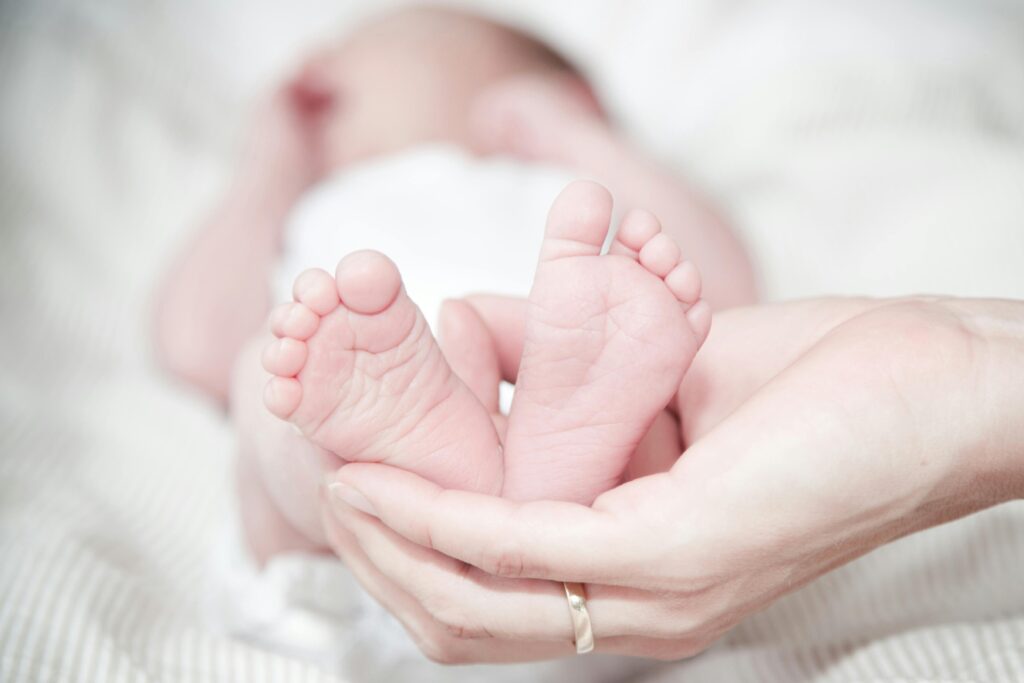
Newborn screening can provide important reassurance to families, but it has a specific purpose. It checks for a defined group of conditions for which early identification may allow treatment, monitoring, or other clinical management to begin sooner.
A normal newborn screening result does not mean that every genetic, neurological, developmental, hearing, or health concern has been ruled out. Some conditions are not included in standard newborn screening programs, while others only become apparent as a child grows.
Understanding what newborn screening does – and does not – evaluate can help parents interpret the results appropriately and understand why developmental monitoring remains important throughout childhood.
What Does Newborn Screening Actually Check?
Newborn screening is one of the most important public health programs for children. In the United States, most babies receive screening shortly after birth.
Newborn screening generally includes:
- A blood-spot test, often collected from the baby’s heel
- Hearing screening
- Screening for critical congenital heart disease using pulse oximetry
The blood-spot portion looks for specific biomarkers associated with certain metabolic, endocrine, blood, genetic, and other conditions for which early identification may allow treatment or monitoring to begin sooner.
Examples include:
- Phenylketonuria (PKU)
- Congenital hypothyroidism
- Sickle cell disease
- Cystic fibrosis
- Certain fatty acid oxidation disorders
- Some amino acid and organic acid disorders
Newborn hearing screening evaluates hearing before or shortly after a baby leaves the hospital, while pulse oximetry can help identify some forms of critical congenital heart disease.
Newborn screening is intentionally targeted rather than comprehensive. It is designed to identify selected conditions during the newborn period, not to screen for every known genetic or developmental disorder.
What Does Newborn Screening Not Detect?
A normal newborn screening result does not rule out many conditions that may become apparent later in infancy or childhood.
Autism Spectrum Disorder
Autism spectrum disorder is not identified through standard newborn blood-spot screening. There is currently no routine newborn blood test that can diagnose autism.
Features associated with autism generally become apparent during early childhood, and diagnosis is based on developmental history and behavioral evaluation rather than a newborn screening result. A child can therefore pass all routine newborn screening tests and later be diagnosed with autism.
Developmental Delays
Standard newborn screening is not designed to identify later developmental delays involving:
- Speech and language
- Walking or other motor skills
- Fine motor development
- Learning
- Social communication
- Behavior
Many developmental differences become noticeable only as children grow and are expected to reach new milestones. This is why routine developmental monitoring and formal screening remain important even when newborn screening results were normal.
Fragile X Syndrome and Other Genetic Conditions
Fragile X syndrome is not included in most routine newborn screening programs in the United States. Many other genetic and chromosomal conditions are also outside the scope of standard newborn screening. These may include disorders caused by:
- Single-gene variants
- Small chromosomal deletions or duplications
- Larger chromosome changes
- Other genetic mechanisms that are not detected through standard newborn blood-spot screening
If developmental or medical concerns appear later, healthcare professionals may consider additional genetic evaluations based on the child’s clinical findings and family history.
Testing may include chromosomal microarray, gene panels, exome sequencing, genome sequencing, or other tests when clinically appropriate. Each type of genetic test has different strengths and limitations, and no single test can identify every possible genetic cause.
Does Newborn Screening Vary by State?
Yes. In the United States, each state operates its own newborn screening program.
The federal Recommended Uniform Screening Panel, or RUSP, provides recommendations for conditions that states may include. However, individual states determine which conditions are included in their screening programs and how screening is implemented.
As a result, the exact conditions included can vary depending on where a baby is born. Parents who want to know what was included in their child’s newborn screening can ask their healthcare provider or check with their state’s newborn screening program.
Can Normal Newborn Screening Results Be Misunderstood?
Sometimes. A normal newborn screening result means that screening did not identify evidence of the specific conditions included in that program at that time. It does not guarantee that a child will never develop a medical, developmental, behavioral, or genetic concern.
For example, a parent may notice that a toddler is not developing communication skills as expected or that a child has difficulty with movement, social interaction, or learning.
Those observations still matter even if the newborn screen was normal. A normal newborn screen and a developmental concern months or years later can both be true because the two evaluations look for different things.
When Should Parents Discuss Development with a Healthcare Professional?
Children develop at different rates, but parents and caregivers often notice changes during everyday activities.
If you have concerns about your child’s:
- Communication
- Movement
- Learning
- Social interaction
- Behavior
- Hearing or vision
- Overall development
Discuss them with your child’s paediatrician or another qualified healthcare professional. Parents should also seek professional guidance if a child loses the skills they previously had.
The American Academy of Pediatrics recommends standardized developmental screening during early childhood in addition to ongoing developmental surveillance during routine pediatric visits. Autism-specific screening is also recommended during the toddler years.
What Evaluation Options Are Available Beyond Newborn Screening?
If concerns arise later, the next step depends on the child’s individual symptoms, developmental history, physical examination, family history, and other findings.
A healthcare professional may consider:
- Developmental assessment
- Hearing evaluation
- Vision assessment
- Speech and language evaluation
- Neurological evaluation
- Genetic testing
- Other specialist assessments when appropriate
Genetic tests such as chromosomal microarray, multigene panels, exome sequencing, or genome sequencing may be considered in certain clinical situations. These tests do not replace a clinical evaluation, and they do not guarantee that a specific cause will be identified.
Why Can Early Developmental Support Matter?
Identifying developmental needs early can help families access appropriate services sooner.
Depending on a child’s needs, support may include:
- Speech-language therapy
- Occupational therapy
- Physical therapy
- Developmental services
- Educational support
- Behavioral services
Parents do not necessarily need to wait for a specific genetic diagnosis before discussing developmental concerns or available support services with their child’s healthcare team.
The type and timing of services should be based on the child’s individual needs and professional evaluation.
What Should Parents Take Away from Newborn Screening Results?
Newborn screening is an important public health tool that can identify certain serious conditions before symptoms appear and allow care to begin early.
However, it was designed to evaluate a defined group of conditions during the newborn period. It cannot predict every medical, genetic, neurological, or developmental concern that may emerge later.
If you notice developmental changes or have concerns as your child grows, discuss them with your child’s healthcare professional, even if newborn screening results were normal.
A normal result at birth and a developmental concern later in childhood are not contradictory. They simply reflect that newborn screening and developmental evaluation answer different medical questions.
Frequently Asked Questions
What is included in newborn screening?
In the United States, newborn screening generally includes blood-spot screening, hearing screening, and screening for critical congenital heart disease using pulse oximetry. The blood test looks for selected metabolic, endocrine, blood, genetic, and other conditions for which early identification may allow treatment or monitoring.
Are the same conditions screened for in every state?
No. Each state operates its own newborn screening program, so the exact screening panel may vary. The Recommended Uniform Screening Panel provides national recommendations, but states determine which conditions are included in their programs.
When is newborn screening performed?
Newborn blood-spot screening is generally performed shortly after birth, often within the first one to two days of life. Exact timing and repeat-testing requirements can vary by state, condition, and individual circumstances.
What happens if newborn screening was missed or delayed?
Because some screened conditions require prompt treatment, parents should contact their child’s healthcare provider or state newborn screening program if screening was missed or delayed. They can advise whether testing should still be performed and what steps are appropriate.
Is the Apgar score part of newborn screening?
No. The Apgar score is a separate assessment performed shortly after birth to evaluate a newborn’s immediate physical condition, including breathing, heart rate, muscle tone, reflex response, and color. It is not part of the newborn screening program.
Can newborn screening detect autism?
No. Standard newborn screening is not designed to identify or diagnose autism spectrum disorder. Autism is assessed through developmental history, observation, and clinical evaluation as relevant features emerge during childhood.
Can a child have a genetic condition after passing newborn screening?
Yes. Newborn screening evaluates only selected conditions. A child may have a genetic condition that was not included in, or detectable through, routine newborn screening and receive a diagnosis later.
Does a normal newborn screening result mean my child is completely healthy?
No screening test can provide a lifetime guarantee of health. A normal newborn screening result means that the screening did not identify evidence of the specific conditions included in the program at that time. Routine pediatric care, developmental monitoring, and evaluation of new concerns remain important as a child grows.
Medical Disclaimer: This article is intended for general educational purposes only and should not replace professional medical advice, diagnosis, developmental evaluation, or treatment. If you have concerns about your child’s health or development, speak with your pediatrician or another qualified healthcare professional.