Childhood Syndromes and Disorders

In-depth insights into various childhood syndromes and disorders.

Understanding Childhood Syndromes and Disorders

Childhood syndromes and disorders encompass a vast array of medical conditions that affect children from birth through adolescence. These conditions can impact various aspects of a child’s health, development, and everyday functioning. Whether genetic, congenital, neurological, or developmental, each syndrome or disorder presents unique challenges and requires specific attention for early identification and accurate diagnosis. Understanding these conditions enables parents to advocate for their children effectively, ensuring they receive the necessary interventions to promote optimal development and quality of life. Awareness and education are vital in navigating the complexities associated with these conditions and in accessing appropriate resources and support. .

Common Characteristics and Challenges

Children with syndromes and disorders often exhibit a range of symptoms that can affect physical health, cognitive abilities, emotional well-being, and social interactions. Common characteristics might include delays in reaching developmental milestones, difficulties with communication and social skills, and specific physical features or medical issues. Managing these conditions can involve a combination of medical treatment, therapeutic interventions, and educational support tailored to the individual needs of the child. The journey can be challenging, but early intervention and a multidisciplinary approach can dramatically improve outcomes and enhance the child’s ability to lead a fulfilling and productive life.

Supporting Your Child’s Journey

Supporting a child with a syndrome or disorder is a multifaceted process that involves collaboration with healthcare professionals, educators, and specialized therapists. As a parent, creating a nurturing and inclusive environment at home and school is crucial for your child’s development and emotional health. Early intervention programs individualized educational plans, and therapies such as speech, occupational, and physical therapy can provide significant benefits. Additionally, connecting with support groups and other families facing similar challenges can offer emotional support and practical advice. Staying informed about the latest research, treatments, and resources allows you to make well-informed decisions and advocate effectively for your child’s needs. With the right support and strategies, children with syndromes and disorders can achieve their full potential and enjoy a high quality of life.

Evaluation

Do You Have Concerns About Your Child’s Development?

Complete our online AI-based assessment and receive more information on possible causes and recommendations on how to assist your child.

Search our Resource Center

Generic selectors
Exact matches only
Search in title
Search in content
Post Type Selectors
Filter by Categories
ACMG
Case Study
Diagnostic odyssey
Events/Conferences
Face2Gene
Geneticist profile
Genomics
Phenotyping
Rare Diseases
Scientific Abstracts
Talks
Technology
Uncategorized
Videos

Articles about Syndromes & Disorders
  • Syndromes & Disorders
    Costello Syndrome_ CSTLO OMIM #218040

    Costello syndrome (CSTLO)

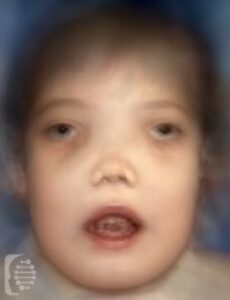
    Costello syndrome is a rare genetic disorder thought to affect just 200-300 people worldwide, to date. Individuals with the syndrome are at higher risk for non-cancerous and cancerous tumors including papilloma’s and a form of childhood cancer known as rhabdomyosarcoma. A characteristic coarse facies, as well as facial warts are constant features with this rare […]
    Read more
  • Syndromes & Disorders

    Craniodiaphyseal Dysplasia (CDD Autosomal Recessive)

    Craniodiaphyseal Dysplasia, is a very rare bone disorder where calcium builds up in the skull affecting the facial features of those affected. Abnormally shaped bones, a hardening of the bones, and excessive overgrowth of the bones characterize the syndrome. To learn more about Lionitis Disease, also known as Craniodiaphyseal Dysplasia, explore our detailed overview on […]

    Read more
  • Syndromes & Disorders

    Cranioectodermal Dysplasia: Symptoms, Causes, Diagnosis, and Treatment 

    Cranioectodermal dysplasia, also known as Sensenbrenner syndrome, is a rare genetic ciliopathy that can affect the skull, skeleton, hair, teeth, nails, skin, kidneys, liver, eyes, and other organs. The combination and severity of features vary between individuals. Doctors first described it in 1975, and fewer than 100 affected individuals have been documented in the medical literature, […]

    Read more
  • Syndromes & Disorders
    Craniofacial Dysmorphism, Skeletal Anomalies, and Mental Retardation syndrome

    Craniofacial Dysmorphism, Skeletal Anomalies, and Mental Retardation syndrome (CFSMR)

    Craniofacial Dysmorphism, Skeletal Anomalies, and Mental Retardation syndrome is a genetic condition characterized by abnormal development of the brain, face and torso. The syndrome is characterized by severe intellectual disability, limited to zero speech development, and behavioral issues. Syndrome Synonyms:Cerebro-facio-thoracic dysplasia; Cerebrofaciothoracic Dysplasia Mutations in the TMCO1 and RAB5IF genes are responsible for the syndrome. […]

    Read more
  • Syndromes & Disorders
    Craniofrontonasal Syndrome

    Craniofrontonasal syndrome (CFNS)

    Craniofrontonasal syndrome is a rare genetic condition with an incidence of 1:100,000-1:120,000. The main symptom of this rare disease is the premature fusing together of the bones of the skull. This cause the unique facial features associated with the syndrome. Syndrome Synonyms:CFND Craniofrontonasal Dysostosis; Craniofrontonasal Dysplasia; CFND The syndrome is an X-linked recessive genetic disorder due […]

    Read more
  • Syndromes & Disorders
    Craniometaphyseal Dysplasia

    Craniometaphyseal Dysplasia

    Craniometaphyseal Dysplasia is a rare genetic condition that leads to the overgrowth of the bones in the head, arms, and legs. When this overgrowth causes the bones to push against each other, or together, many of the symptoms of this syndrome are triggered. Syndrome Synonyms:CMD; Craniometaphyseal Dysplasia, Jackson Type; CMDJ; Mutations to the ANKH, GJA1 […]

    Read more
  • Syndromes & Disorders
    Craniosynostosis, Adelaide Type

    Craniosynostosis, Adelaide Type (CRSA)

    Craniosynostosis itself is a condition, present at birth, whereby the bones of a baby’s skull fused together prematurely before the brain has fully developed. This in turn leads to a skull that is abnormally shaped as the brain grows. It is closely linked to Saethre-chotzen syndrome and Pfeiffer syndrome. There is no definitive gene yet […]

    Read more
  • Syndromes & Disorders
    Cri-Du-Chat Syndrome OMIM #123450

    Cri-Du-Chat syndrome

    Cri-du-Chat syndrome is a rare genetic condition usually diagnosed at birth. The characteristic high-pitched cat-like cry is a major symptom of the syndrome and often enough to trigger the diagnostic process in a newborn. Also known as 5p- (5p minus) syndrome, this rare disease is a chromosomal condition characterized by intellectual disability, developmental delay, and […]

    Read more
  • Syndromes & Disorders
    Crigler-Najjar syndrome (Type 1)

    Crigler-Najjar syndrome (Type I)

    Crigler-Najjar syndrome is a rare genetic syndrome that leads to the build-up of high levels of unconjugated bilirubin. This form of bilirubin is a toxic substance and causes the most serious symptoms of this syndrome. There are two types of the syndrome: Type 1 is the severe form of the diseases, Type 2 is less […]

    Read more
Showing 82 to 90 of 315 results