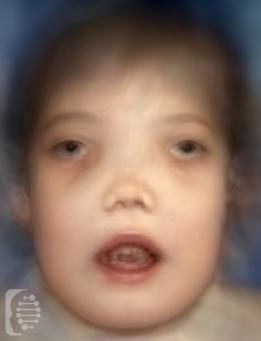
Craniodiaphyseal Dysplasia (CDD Autosomal Recessive)

* This composite image of Craniodiaphyseal Dysplasia; CDD Autosomal Recessive was created to help geneticists get a better analysis

What is Craniodiaphyseal Dysplasia (CDD Autosomal Recessive)?

Craniodiaphyseal Dysplasia, is a very rare bone disorder where calcium builds up in the skull affecting the facial features of those affected.

Abnormally shaped bones, a hardening of the bones, and excessive overgrowth of the bones characterize the syndrome.

To learn more about Lionitis Disease, also known as Craniodiaphyseal Dysplasia, explore our detailed overview on What Is Lionitis Disease?

What gene change causes Craniodiaphyseal Dysplasia (CDD Autosomal Recessive)?

The exact causes of this incredibly rare genetic syndrome are as yet unknown. Due to consanguineous families, autosomal recessive inheritance has been suggested.

What are the main symptoms of Craniodiaphyseal Dysplasia (CDD Autosomal Recessive)?

The main symptoms of the syndrome are:

  • Bone dysplasia: abnormally shaped bones in the head, spine, arms, and legs
  • Massive bone sclerosis: hardening of the bones
  • Hyperostosis: excessive bone growth in the skull and face

These symptoms then lead to distinct facial features and associated health issues that may reduce the life expectancy of individuals with the syndrome.

Other symptoms of the syndrome include rib abnormalities, short stature, and coarse facial features including frontal bossing ( a very prominent high forehead)

How is it diagnosed?

To find out if someone has a diagnosis of Craniodiaphyseal Dysplasia (CDD Autosomal Recessive), it is important to have a consultation and evaluation with a clinical genetic specialist.  Specialists may also suggest specific genetic testing or other types of tests to help reach a diagnosis.  FDNA’s AI technology can help speed up the diagnostic process by analyzing facial features and other health information.
More syndromes

Syndromes & Disorders

Cranioectodermal Dysplasia: Symptoms, Causes, Diagnosis, and Treatment 

Cranioectodermal dysplasia, also known as Sensenbrenner syndrome, is a rare genetic ciliopathy that can affect the skull, skeleton, hair, teeth, nails, skin, kidneys, liver, eyes, and other organs. The combination and severity of features vary between individuals. Doctors first described it in 1975, and fewer than 100 affected individuals have been documented in the medical literature, […]

Read more
Syndromes & Disorders

Clouston Syndrome (Hidrotic Ectodermal Dysplasia): Symptoms, Causes, Diagnosis, and Treatment

Clouston syndrome, also called hidrotic ectodermal dysplasia type 2, is a rare inherited condition that affects the hair, nails, and skin. It is caused by pathogenic variants in the GJB6 gene and is typically apparent from birth, though features often become more pronounced during infancy or childhood. What sets it apart from many other ectodermal dysplasias is what it doesn’t affect: teeth and sweat glands are usually unaffected. […]

Read more
Syndromes & Disorders

Chung-Jansen Syndrome: Symptoms, Causes, Diagnosis, and Management

Chung-Jansen syndrome, also known as PHIP-related disorder, is a rare genetic condition that can affect development, learning, behaviour, growth, and physical health. It is caused by a disease-causing change in the PHIP gene, which plays a role in cell growth and brain development.  Common features may include developmental delay, learning difficulties, intellectual disability, low muscle tone, behavioral […]

Read more