What is Stickler syndrome?
Stickler syndrome is a hereditary, progressive group of syndromes. This means symptoms associated with, and triggered by this rare disease worsen over time.
Symptoms may vary widely in their type and severity between individuals. However, the most serious features of the syndrome can cause vision and hearing impairment, as well as problems with the joints.
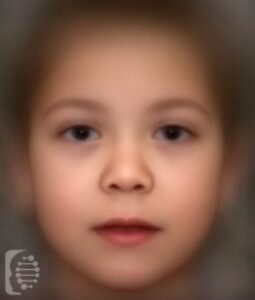
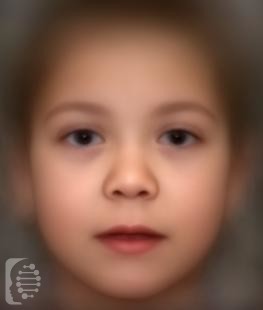
Individuals with the syndrome have abnormal amounts of collagen which mainly affects auditory, ocular, skeletal, and orofacial abnormalities. Often individuals with the syndrome have a flattened facial appearance.
Syndrome Synonyms:
AOM; Arthro-ophthalmopathy; Marshall-Stickler syndrome
What gene change causes Stickler syndrome?
Mutations in six genes are responsible for the syndrome. These genes include COL2A1, COL11A1, COL9A1, COL9A2, COL9A3.
Depending on the gene mutation, this rare disease can be inherited in an autosomal dominant or autosomal recessive pattern.
In the case of autosomal dominant inheritance just one parent is the carrier of the gene mutation, and they have a 50% chance of passing it onto each of their children. Syndromes inherited in an autosomal dominant inheritance are caused by just one copy of the gene mutation.
Autosomal recessive inheritance means an affected individual receives one copy of a mutated gene from each of their parents, giving them two copies of a mutated gene. Parents, who carry only one copy of the gene mutation will not generally show any symptoms but have a 25% chance of passing the copies of the gene mutations onto each of their children.
What are the main symptoms of Stickler syndrome?
- The main symptoms include numerous eye and vision problems. These include myopia, retinal detachment, cataracts, astigmatism, crossed eyes, and glaucoma.
- Recurrent and frequent ear infections are also symptoms and can lead to inner hearing loss.
- Other health conditions mainly affect the joints- including joint pain, loose joints, osteoarthritis the development of arthritis at a very young age, scoliosis, and hip degeneration.
- Unique facial features include flat cheeks and nasal bridge. A small jaw and split uvula. Pierre-Robin sequence is also associated with the syndrome and this means a cleft palate, small chin, and a tongue positioned further back in the mouth.
Possible clinical traits/features:
Epiphyseal dysplasia, Flat capital femoral epiphysis, Degenerative vitreoretinopathy, High myopia, Flat face, Irregular capital femoral epiphysis, Short stature, Genu valgum, Sensorineural hearing impairment, Autosomal recessive inheritance, Astigmatism.
How is it diagnosed?
To find out if someone has a diagnosis of Stickler syndrome, it is important to have a consultation and evaluation with a clinical genetic specialist. Specialists may also suggest specific genetic testing or other types of tests to help reach a diagnosis. FDNA’s AI technology can help speed up the diagnostic process by analyzing facial features and other health information.