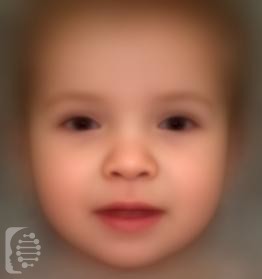
What is Megalencephaly-Capillary Malformation- Polymicrogyria syndrome (MCAP)?
Megalencephaly-Capillary Malformation syndrome is a multiple malformation disorder. Its severity varies between individuals.
First identified in 1997 as a distinct disorder, there are just 140 reported cases since then, but there may be an underdiagnosis contributing to this figure.
This rare developmental condition mainly involves tissue overgrowth in different parts of the body. A large brain (megalocephaly) is one of the main characteristics of the syndrome.
Syndrome Synonyms:
Macrocephaly-capillary malformation; MCM Macrocephaly-cutis Marmorata Telangiectatica Congenita; MCMTC; MCAP; MCTC; Megalencephaly-capillary malformation; Megalencephaly-capillary Malformation Syndrome; Megalencephaly-cutis Marmorata Telangiectatica Congenita; Overgrowth- polysyndactyly-haemangiomas; Overgrowth-polysyndactyly-haemangiomas
What gene change causes Megalencephaly-Capillary Malformation-Polymicrogyria syndrome (MCAP)?
Somatic mutations to the gene PIK3CA. It is not believed to be an inheritable condition.
Mosaic inheritance occurs very early in the development of a fetus. Essentially, it is an error in cell division. The human body is made up of 46 chromosomes, in 23 pairs. Mosaicism occurs when an individual has cells in their body with more or fewer chromosomes than the usual 46. This can trigger issues that affect different systems and parts of the body.
What are the main symptoms of Megalencephaly-Capillary Malformation-Polymicrogyria syndrome (MCAP)?
The main symptoms of the syndrome include brain overgrowth (megalencephaly), a large head.
Capillary malformations, or skin lesions across the face, trunk, and limbs, are a major symptom. A prominent forehead, extra fingers and toes, as well as loose skin and joints, are all also symptoms of the syndrome. As is the body asymmetry.
Other health conditions associated with the syndrome include low muscle tone, seizures, and heart defects. Symptoms may vary considerably between individuals.
Possible clinical traits/features:
Cavum septum pellucidum, Cerebral ischemia, Asymmetric growth, Arnold-Chiari malformation, Aplasia/Hypoplasia of the cerebellum, Arteriovenous malformation, Frontal bossing, Sporadic, Somatic mutation, Ventricular septal defect, Visceral angiomatosis, Macrocephaly, Telangiectasia of the skin, Abnormality of neuronal migration, Nephroblastoma, Microphthalmia, Megalencephaly, Meningioma, Arrhythmia, Leukemia, Muscular hypotonia, Progressive macrocephaly, Intellectual disability, Joint hypermobility, Joint laxity, Wide mouth, Optic atrophy, Overgrowth, Toe syndactyly, Seizure, Syndactyly, Large earlobe, Polydactyly, Foot polydactyly, Hand polydactyly, Polymicrogyria, Epicanthus, Deeply set eye, Ventriculomegaly, Facial asymmetry, Finger syndactyly, Smooth philtrum, Cutis marmorata, Downslanted palpebral fissures, Malformation of the heart and great vessels, Depressed nasal bridge, Full cheeks, Hypertelorism, Hypermelanotic macule, Hydrocephalus, High forehead, Broad forehead, Hernia, Cognitive impairment, Global developmental delay.
How is it diagnosed?
To find out if someone has a diagnosis of Megalencephaly-Capillary Malformation-Polymicrogyria syndrome (MCAP), it is important to have a consultation and evaluation with a clinical genetic specialist. Specialists may also suggest specific genetic testing or other types of tests to help reach a diagnosis. FDNA’s AI technology can help speed up the diagnostic process by analyzing facial features and other health information.