What is Lig4 syndrome?
Lig4 syndrome is a genetic syndrome that is extremely rare with just a few cases reported worldwide, to date.
It presents with a wide range of symptoms including a small head, severe growth and developmental delay, and characteristic facial features. Immunodeficiency is also a characteristic feature of the condition.
Syndrome Synonyms:
LIG4 syndrome
What gene change causes Lig4 syndrome?
It is caused by mutations in the LIG4 gene. It is inherited in an autosomal recessive pattern.
Autosomal recessive inheritance means an affected individual receives one copy of a mutated gene from each of their parents, giving them two copies of a mutated gene. Parents, who carry only one copy of the gene mutation will not generally show any symptoms but have a 25% chance of passing the copies of the gene mutations onto each of their children.
What are the main symptoms of Lig4 syndrome?
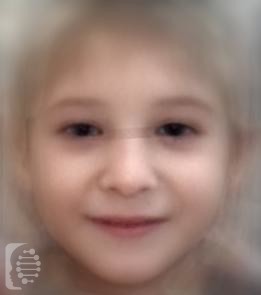
Characteristics facial features of the syndrome include a small head, a beak-like nose, and a small jaw.
Skin conditions are also common with the syndrome. These might include photosensitivity and skin lesions similar to psoriasis.
Immunodeficiency is also a feature of the syndrome, along with telangiectasias, leukemia, lymphoma, bone marrow abnormalities, and type 2 diabetes.
Possible clinical traits/features:
Thin vermilion border, Cutaneous photosensitivity, Microcephaly, Telangiectasia of the skin, Type II diabetes mellitus, Severe combined immunodeficiency, Telecanthus, Upslanted palpebral fissure, Acute leukemia, Bone marrow hypocellularity, Wide nasal bridge, Abnormality of calvarial morphology, Clinodactyly of the 5th finger, Cryptorchidism, Epicanthus, Hypoplasia of penis, Hypothyroidism, Malabsorption, Hepatomegaly, Cognitive impairment, Leukocytosis, Lymphadenopathy, Lymphoma, Low anterior hairline, Abnormality of chromosome stability, Abnormal nasal morphology, Micrognathia, Narrow forehead.
How is it diagnosed?
To find out if someone has a diagnosis of Lig4 syndrome, it is important to have a consultation and evaluation with a clinical genetic specialist. Specialists may also suggest specific genetic testing or other types of tests to help reach a diagnosis. FDNA’s AI technology can help speed up the diagnostic process by analyzing facial features and other health information.