What is Hypotonia, Infantile, with Psychomotor Retardation and Characteristic Facies 3 (IHPRF3)?
Hypotonia, Infantile, with Psychomotor Retardation and Characteristic Facies 3 is a rare neurodevelopmental delay disorder that presents either at birth or during infancy.
The main symptoms of the syndrome include delayed development, limited speech development, and usually an inability to walk unaided.
This syndrome is also known as:
IHPRF3
What gene change causes Hypotonia, Infantile, with Psychomotor Retardation and Characteristic Facies 3 (IHPRF3)?
Changes in the TBCK gene are responsible for causing the syndrome. Types 1 and 2 share similar characteristics and form of inheritance, but are caused by different genes. The syndrome is inherited in an autosomal recessive pattern.
Autosomal recessive inheritance means an affected individual receives one copy of a mutated gene from each of their parents, giving them two copies of a mutated gene. Parents, who carry only one copy of the gene mutation will not generally show any symptoms, but have a 25% chance of passing the copies of the gene mutations onto each of their children.
What are the main symptoms of Hypotonia, Infantile, with Psychomotor Retardation and Characteristic Facies 3 (IHPRF3)?
The main symptoms of the syndrome are delayed global development, limited to zero speech development, and limited ability to walk.
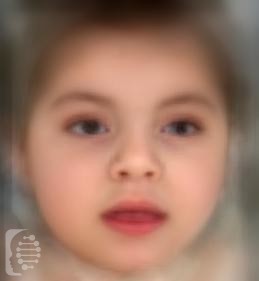
The syndrome also presents with unique facial features that include a bulbous or fat nose, deep set eyes, a narrow forehead, broad or thicker fingers, coarse facial features, a prominent nasal bridge, broad toe and highly arched eyebrows.
Low muscle tone, or hypotonia, is also another major symptom of the syndrome.
How is it diagnosed?
To find out if someone has a diagnosis of Hypotonia, Infantile, with Psychomotor Retardation and Characteristic Facies 3 (IHPRF3), it is important to have a consultation and evaluation with a clinical genetic specialist. Specialists may also suggest specific genetic testing or other types of tests to help reach a diagnosis. FDNA’s AI technology can help speed up the diagnostic process by analyzing facial features and other health information.