What is Hypotonia, Infantile, with Psychomotor Retardation and Characteristic Facies 2 (IHPRF2)?
Hypotonia, Infantile, with Psychomotor Retardation and Characteristic Facies 2 is a rare neurodevelopmental disorder that is usually identified at birth or during infancy.
The syndrome does not affect the development of the structure of the brain but individuals present with extreme global developmental delay, limited or no speech, and limited or no ability to walk independently.
What gene change causes Hypotonia, Infantile, with Psychomotor Retardation and Characteristic Facies 2 (IHPRF2)?
Changes in the UNC80 gene cause the syndrome. It is inherited in an autosomal recessive manner. Types 1 and 3 share characteristics, and inheritance mechanism, but are caused by changes in other genes.
Autosomal recessive inheritance means an affected individual receives one copy of a mutated gene from each of their parents, giving them two copies of a mutated gene. Parents, who carry only one copy of the gene mutation will not generally show any symptoms but have a 25% chance of passing the copies of the gene mutations onto each of their children.
What are the main symptoms of Hypotonia, Infantile, with Psychomotor Retardation and Characteristic Facies 2 (IHPRF2)?
Intellectual disability and severe global developmental delay are the main and most severe symptoms of the syndrome. As are a failure to thrive and seizures.
Low muscle tone, or hypotonia, affecting all parts of the body is also common and usually will affect an individual’s ability to walk. Scoliosis, a skeletal abnormality, is also a symptom.
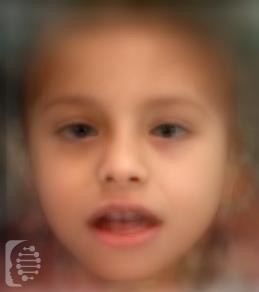
Unique facial features of the syndrome include a very small head, and crossed eyes (strabismus).
How is it diagnosed?
To find out if someone has a diagnosis of Hypotonia, Infantile, with Psychomotor Retardation and Characteristic Facies 2 (IHPRF2), it is important to have a consultation and evaluation with a clinical genetic specialist. Specialists may also suggest specific genetic testing or other types of tests to help reach a diagnosis. FDNA’s AI technology can help speed up the diagnostic process by analyzing facial features and other health information.