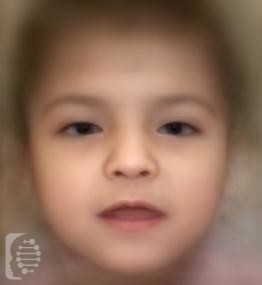
What is Gomez-Lopez-Hernandez syndrome (GLHS)?
Gomez-Lopez-Hernandez syndrome is a rare genetic syndrome, the causes of which are still being researched.
The main symptoms of the syndrome include alopecia (complete or partial), numbness of the face, sinuses and mouth (trigeminal anesthesia) and a brain abnormality (rhombencephalosynapsis).
This syndrome is also known as:
Cerebello-trigeminal-dermal Dysplasia; Cerebello-Trigeminal-Dermal syndrome; GLH Syndrome Gomez-Lopez-Hernandez Syndrome
What gene change causes Gomez-Lopez-Hernandez syndrome (GLHS)?
The exact gene change responsible for causing the syndrome is yet unknown. It is believed it may be inherited in an autosomal recessive pattern but this is yet to be confirmed.
Autosomal recessive inheritance means an affected individual receives one copy of a mutated gene from each of their parents, giving them two copies of a mutated gene. Parents, who carry only one copy of the gene mutation will not generally show any symptoms, but have a 25% chance of passing the copies of the gene mutations onto each of their children.
What are the main symptoms of Gomez-Lopez-Hernandez syndrome (GLHS)?
Alopecia is a defining symptom of the syndrome. The hair loss on the scalp may be partial or full.
Another main symptom is a condition known as trigeminal anesthesia: which is a numbness of the face, sinuses, and mouth.
The third main condition is known as rhombencephalosynapsis. This is a brain condition where the cerebellar vermis, or the connecting area between the two hemispheres of the brain is missing.
Other symptoms may include low muscle tone (hypotonia), behavioral issues, intellectual disability, seizures, a short stature, a short and broad skull, low-set ears, and decreased pain sensation.
Possible clinical traits/features:
Short stature, Opacification of the corneal stroma, Hyperactivity, Hydrocephalus, High palate, Incoordination, Visual impairment, Fusion of the cerebellar hemispheres, Hypertelorism, Hypertonia, Hyperreflexia, Growth hormone deficiency, Cognitive impairment, Seizure, Wide anterior fontanel, Thin vermilion border, Posteriorly rotated ears, Sporadic, Wormian bones, Skull asymmetry, Abnormal hair quantity, Strabismus, Telecanthus, Midface retrusion, Cerebellar vermis hypoplasia, Ataxia, Abnormal toenail morphology, Alopecia, Agenesis of cerebellar vermis, Bipolar affective disorder, Brachycephaly, Self-injurious behavior, Aplasia/Hypoplasia of the cerebellum, Abnormality of calvarial morphology, Turricephaly, Craniosynostosis, Smooth philtrum, Malar flattening, Impaired pain sensation, Muscular hypotonia, Mask-like facies, Short nose, Anteverted nares, Low-set, posteriorly rotated ears, Low-set ears.
How is it diagnosed?
To find out if someone has a diagnosis of Gomez-Lopez-Hernandez syndrome (GLHS), it is important to have a consultation and evaluation with a clinical genetic specialist. Specialists may also suggest specific genetic testing or other types of tests to help reach a diagnosis. FDNA’s AI technology can help speed up the diagnostic process by analyzing facial features and other health information.