Profile of a rare disease – Down syndrome
Recognized as one of the most common genetic syndromes, and chromosomal abnormality disorders, Down syndrome has a prevalence, in the US, of around 1 in every 700 live births. This makes it one of the most common genetic syndromes and the most well-known.
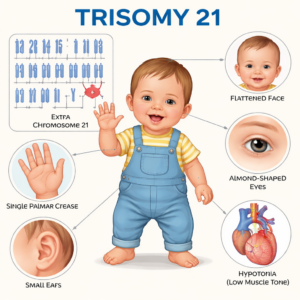
Down syndrome occurs in individuals who develop an extra chromosome 21 – normal chromosomal development creates 46 chromosomes, further organized into 23 pairs of chromosomes. This extra copy of chromosome 21, can include a full or partial copy. This is why Down syndrome is also known as Trisomy 21.
There is currently no known exact explanation for why this extra chromosome 21 develops in some individuals, and several factors are thought to contribute to it. A higher maternal age is one factor that places a developing fetus at higher risk for chromosomal anomalies, including Down syndrome.
Screening for Down syndrome, or for an unborn infant’s risk for developing Down syndrome, is now a standardized part of prenatal care in many countries. This can take place as early as the tenth week of pregnancy, with NIPT testing. Other options for more invasive forms of testing, such as amniocentesis, can diagnose Down syndrome in an unborn infant, rather than just identify their risk for it.
Down syndrome – facial features and symptoms
The unique facial features of Down syndrome are well known. They include a flattened face, a flattened nasal bridge (nose), almond-shaped eyes, small ears and a short neck.
Other physical features of this rare disease include low and poor muscle tone, growth delay, and a single palm crease on the hands.
Individuals with Down syndrome may also have other medical conditions, including congenital heart defects, thyroid diseases, developmental delay, and mild-moderate intellectual disability. They may also experience hearing loss, recurrent ear infections and eye diseases, as well as sleep apnea.
What does Down syndrome look like?
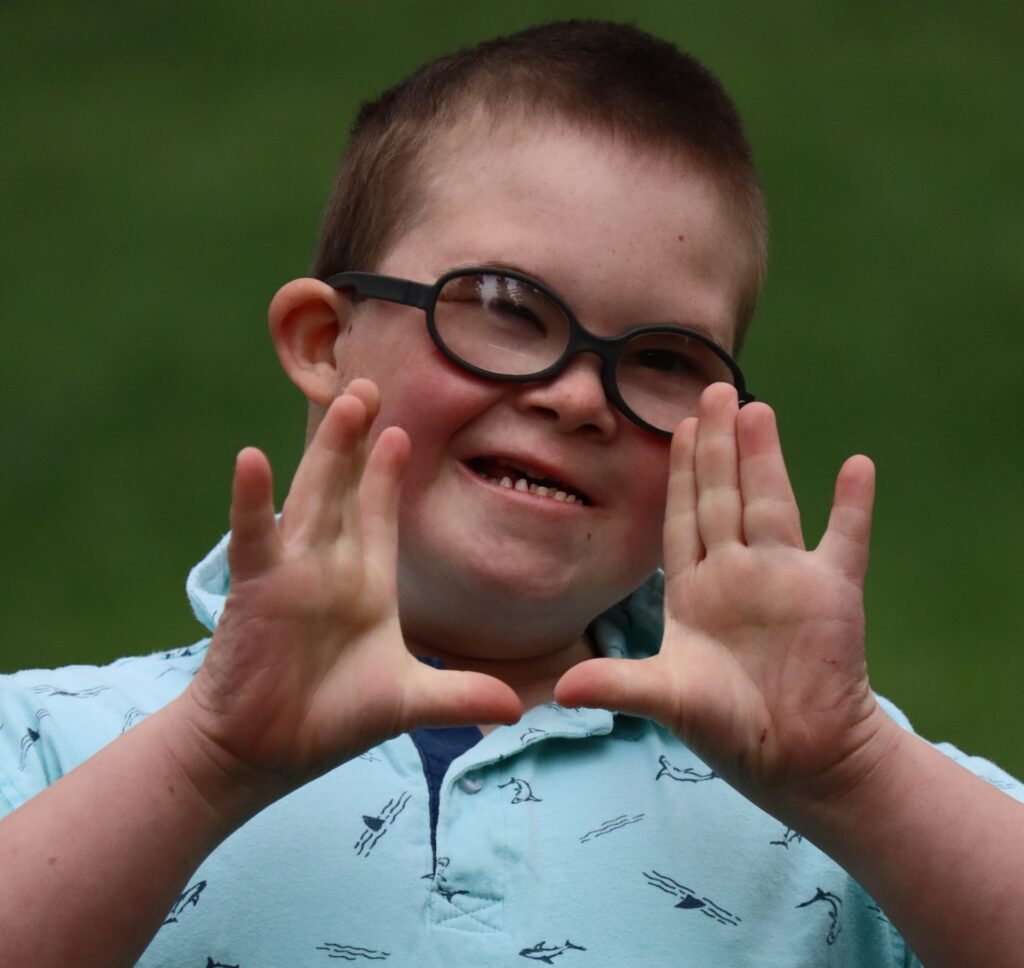
Down syndrome can look different from person to person. Some infants may show recognizable facial features at birth, while others may have subtler characteristics that become more noticeable later in childhood.
Individuals with mosaic Down syndrome may have fewer physical signs, while others may display many of the classic characteristics associated with Trisomy 21. Because of this variability, healthcare providers rely on genetic testing and clinical evaluation rather than appearance alone when making a diagnosis.
Down syndrome and genetic counseling
Due to the increase in recent years in the availability of genetic screening for Down syndrome, there is an increased demand for genetic counseling services for families and parents navigating this screening process.
For parents-to-be for whom genetic screening identifies an increased risk of their baby developing Down syndrome, genetic counseling is essential to help them understand their next steps. Genetic counseling can explain what the screening results mean, and what genetic testing to proceed with to confirm or rule out an actual diagnosis of Down syndrome.
Genetic counseling for Down syndrome is an important support service for guiding parents-to-be through genetic testing for the syndrome – there are risks to the baby, in terms of a slight risk of miscarriage, with invasive genetic testing for this rare disease, and the role of genetic counseling is to help parents understand these risks, and make a decision that is right for them and their child.
If parents receive a confirmed Down syndrome diagnosis for their child, genetic counseling can help them explain and explore their options. This is not an easy process, and in this role, genetic counselors are both genetic experts and counselors providing emotional support.