What is Cold-Induced Sweating Syndrome?
Cold-induced sweating syndrome is a rare genetic condition characterized by excessive sweating, affecting mainly the chest, face, arms, and trunk of the body, brought on by a cold or ambient temperature.
What gene change causes Cold-Induced Sweating syndrome?
Mutations in the CRLF1 and CLCF1 genes are responsible for the syndrome. It is inherited in an autosomal recessive pattern.
Autosomal recessive inheritance means an affected individual receives one copy of a mutated gene from each of their parents, giving them two copies of a mutated gene. Parents, who carry only one copy of the gene mutation will not generally show any symptoms but have a 25% chance of passing the copies of the gene mutations onto each of their children.
What are the main symptoms of Cold-Induced Sweating syndrome?
- One of the main identifying symptoms of the condition is profuse sweating in cold temperatures. Individuals may also experience extreme sensitivity to pain and cold temperatures.
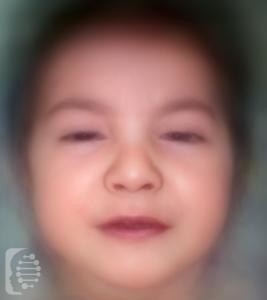
- Other features of the syndrome include a high-arched palate, nasal voice, a depressed nasal bridge, a broad nose, a long philtrum, and a large face with full cheeks.
- Seizures and hypotonia (low muscle tone) are also reasonably common symptoms of the syndrome.
- Sometimes symptoms associated with the syndrome may be more severe, including feeding difficulties in infancy, and sudden cardiac death.
How is it diagnosed?
To find out if someone has a diagnosis of Cold-Induced Sweating syndrome, it is important to have a consultation and evaluation with a clinical genetic specialist. Specialists may also suggest specific genetic testing or other types of tests to help reach a diagnosis. FDNA’s AI technology can help speed up the diagnostic process by analyzing facial features and other health information.