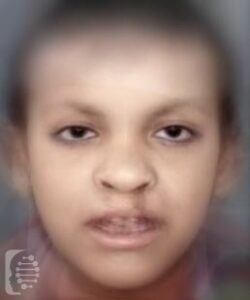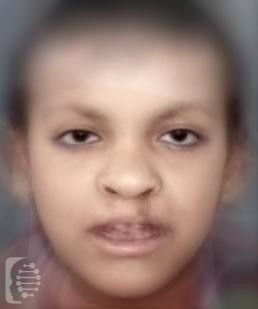
Cleft lip/palate-ectodermal dysplasia syndrome (CLPED1) is a rare inherited genetic condition that affects the development of the face, skin, hair, nails, and teeth. The syndrome is characterized by a combination of cleft lip or palate, ectodermal dysplasia, and webbing of the fingers or toes, known as syndactyly. Because symptoms can overlap with other rare genetic disorders, genetic testing plays an important role in confirming the diagnosis and guiding care. Understanding both the physical features and the underlying genetics can help families and care teams recognize the condition early.
What Is Cleft Lip/Palate-Ectodermal Dysplasia Syndrome?
Cleft lip/palate-ectodermal dysplasia syndrome is defined by three features occurring together: a facial cleft, ectodermal dysplasia affecting the hair, nails, and skin, and syndactyly of the fingers or toes. Doctors sometimes refer to it by older names, including CLPED1, Zlotogora-Ogur syndrome, and Margarita Island ectodermal dysplasia, since it was first described in families from that region of Venezuela. The combination of these features helps healthcare providers distinguish this condition from other disorders that may cause an isolated cleft lip or palate.
Can Cleft Lip/Palate-Ectodermal Dysplasia Syndrome Be Inherited?
Yes. CLPED1 follows an autosomal recessive inheritance pattern, meaning a child needs an altered copy of the responsible gene from each parent to be affected. Parents who carry just one altered copy are typically unaffected carriers. When both parents are carriers, each pregnancy carries a 25% chance of an affected child and a 50% chance the child becomes a carrier. Genetic counseling can help families understand this risk and discuss testing options for future pregnancies.
What Gene Change Causes It?
Mutations in the NECTIN1 gene, also known as PVRL1, cause the condition. This gene normally produces a protein that helps skin and other cells attach to one another and communicate properly during early development. When both copies of the gene carry disease-causing changes, the cells are unable to attach and communicate normally while the baby’s face and skin are developing, so the lip, palate, hair, nails, and skin do not develop as expected. More than a dozen other genes have also been linked to orofacial clefting, with or without accompanying ectodermal dysplasia, so genetic testing helps confirm CLPED1 rather than a related but distinct condition.
What Are the Main Symptoms?
Three features define this rare disease, and together they form its clinical signature:
- Syndactyly: partial webbing or fusion of the skin between the fingers, the toes, or both
- Ectodermal dysplasia: fine or sparse hair, thin or absent eyebrows and eyelashes, and nails that don’t develop properly
- Cleft lip: occurring with or without an accompanying cleft palate
Symptoms can also appear across several other body systems. Common additional findings include:
Facial features: midface hypoplasia, a wide nasal bridge, and downslanted palpebral fissures
Hair and skin: sparse or absent eyebrows and eyelashes, thinning or twisted hair (pili torti), and thickened skin on the palms and soles
Hands and feet: webbing between fingers or toes and abnormal nail growth
Teeth: missing, misshapen, or decay-prone teeth
Other findings: intellectual disability, hearing-related differences, and nipple abnormalities
Not every child experiences the same combination or severity of features, and presentation can vary even within the same family.
Possible Clinical Traits and Features
In addition to the core symptoms above, clinicians have documented a range of less common features associated with this condition:
Facial and craniofacial: malar flattening, a small lower jaw (micrognathia), large or prominent ears, a triangular-shaped face, and synophrys (eyebrows that meet in the middle)
Skin, hair, and nails: palmoplantar keratoderma, alopecia, abnormal hair texture, and nail dysplasia
Teeth: anodontia, hypodontia, microdontia, and dental enamel abnormalities
Other findings: abnormalities of the ear or ureter, recurrent respiratory infections, scrotal hypoplasia, hyperlordosis, decreased sweating (hypohidrosis), and, rarely, seizures
How Is It Diagnosed?
Diagnosis starts with a clinical evaluation by a geneticist, who reviews physical exam findings alongside family history to determine whether testing is warranted. Genetic testing that confirms two altered NECTIN1 copies confirms the diagnosis, since the visible features alone can overlap with other cleft-associated or ectodermal conditions. Because this condition is extremely rare, diagnosis may take time, especially if symptoms are mild or overlap with other disorders. Involving a craniofacial or genetics center early, rather than relying solely on a primary care evaluation, can help families reach an accurate diagnosis and access appropriate specialist care sooner.
Managing the Condition
There’s currently no single cure for the condition, so care instead focuses on each affected system through a multidisciplinary team. Surgical repair of the cleft lip and palate is typically the first priority, usually coordinated through a craniofacial team, followed by long-term dental care for missing or malformed teeth. Speech therapy can help address feeding and communication challenges linked to the cleft, while ENT specialists monitor hearing and recurrent infections. Dermatologic care can help manage dry or thickened skin, and genetics specialists support the family with counseling and testing for future pregnancies. A coordinated care team can help address the different medical needs associated with the condition.
Living with CLPED1
Life expectancy for people with CLPED1 is generally normal, since the condition primarily affects visible structures rather than internal organ function. That said, outcomes still depend on the severity of associated features, particularly when intellectual disability, seizures, or recurrent infections are part of the clinical picture. Many people can lead active and fulfilling lives with appropriate medical care and supportive therapies, although outcomes vary depending on the severity of their symptoms. For families adjusting to a new diagnosis, connecting with craniofacial or ectodermal dysplasia patient organizations can offer practical, lived-experience guidance alongside clinical care.
Frequently Asked Questions
Can a child with a cleft lip or palate live a normal life?
Yes. With timely surgery and follow-up care, most children go on to have a normal life expectancy and no lasting limitation on daily life, though ongoing speech, dental, or ENT care is often needed.
Is cleft lip/palate-ectodermal dysplasia syndrome rare?
Yes, this condition is considered exceptionally rare. It has been documented in a small number of families worldwide, most notably a founder population from Margarita Island, Venezuela, though isolated cases have also been reported elsewhere.
Is CLPED1 inherited?
Yes. CLPED1 is inherited in an autosomal recessive pattern, meaning a child must inherit an altered gene copy from each parent to be affected. Carrier parents typically show no symptoms themselves.
What gene causes CLPED1?
CLPED1 is caused by mutations in the NECTIN1 gene, also called PVRL1, which normally helps skin and other cells attach to and communicate with one another during development.
Can CLPED1 be diagnosed before birth?
Prenatal diagnosis is possible in families with a known NECTIN1 variant, typically through chorionic villus sampling or amniocentesis. Ultrasound alone may detect a cleft lip or palate but usually cannot confirm the full syndrome before birth.
Is there a cure?
There is currently no cure for CLPED1. Treatment focuses on managing each affected system, including surgical cleft repair, dental care, dermatology, and speech and hearing support.
What specialists should my child see?
Care teams commonly include a clinical geneticist, craniofacial surgeon, dentist, dermatologist, speech therapist, and ENT specialist, coordinated to address the different features of the condition.
What is the life expectancy?
Life expectancy for people with CLPED1 is generally normal, since the condition mainly affects the face, skin, hair, nails, and teeth rather than internal organ function.
This content is intended for general educational purposes and should not replace evaluation by a qualified clinical geneticist or healthcare provider.