What is Cerebrooculofacioskeletal syndrome?
Cerebrooculofacioskeletal syndrome is a rare congenital, degenerative genetic condition.
It affects the brain, spinal cord and eyes of affected individuals.
Individuals with the syndrome have a life expectancy of no more than 5 years.
Syndrome Synonyms:
COFS syndrome; Pena-Shokeir syndrome Type II
What gene change causes Cerebrooculofacioskeletal syndrome?
Current research has identified mutations in the ERCC1, ERCC2, ERCC5 and ERCC6 genes as causes of the syndrome.
The syndrome is inherited in an autosomal recessive pattern.
Autosomal recessive inheritance means an affected individual receives one copy of a mutated gene from each of their parents, giving them two copies of a mutated gene. Parents, who carry only one copy of the gene mutation will not generally show any symptoms but have a 25% chance of passing the copies of the gene mutations onto each of their children.
What are the main symptoms of Cerebrooculofacioskeletal syndrome?
The syndrome mainly affects the brain, spinal cord and eyes of affected individuals. This leads to severe intellectual disability, hypotonia (low muscle tone), and impairment of the reflexes which may include clenched fists.
Individuals will have very small eyes and congenital cataracts (a clouding of the eyes present at birth). Involuntary eye movements are also a feature of the syndrome.
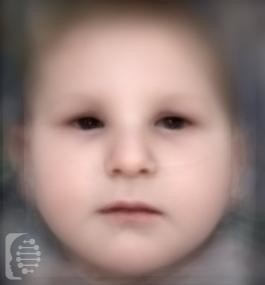
Other physical features include large and low-set ears, a very small head (microcephaly), and very small jaw (micrognathia).
Individuals may also suffer from medical conditions related to their skull, limbs, heart, and kidneys.
Possible clinical traits/features:
Microcephaly, Rocker bottom foot, Camptodactyly of finger, Death in childhood, Cutaneous photosensitivity, Autosomal recessive inheritance, Scrotal hypoplasia, Cataract, Deeply set eye, Microphthalmia, Micrognathia, Micropenis, Kyphoscoliosis, Large beaked nose, Intrauterine growth retardation, Hearing impairment, Global developmental delay.
How is it diagnosed?
To find out if someone has a diagnosis of Ceerebrooculofacioskeletal syndrome, it is important to have a consultation and evaluation with a clinical genetic specialist. Specialists may also suggest specific genetic testing or other types of tests to help reach a diagnosis. FDNA’s AI technology can help speed up the diagnostic process by analyzing facial features and other health information.