What is Catel-Manzke syndrome (CATMANS)?
Catel-Manzke syndrome is a rare genetic condition that was first identified in 1961.
There are around 33 cases of the syndrome recorded globally.
The syndrome presents with unique facial features, anomalies of the digits (the fingers specifically), and features of the Pierre Robin sequence (cleft lip, small jaw, tongue placed further back in the mouth).
This syndrome is also known as:
CATMANS Digitopalatal syndrome; Hyperphalangy-Clinodactyly of Index Finger with Pierre Robin syndrome; Pierre Robin syndrome with Hyperphalangy and Clinodactyly; Index Finger Anomaly with Pierre Robin syndrome; Palatodigital syndrome, Catel-Manzke type; Micrognathia Digital syndrome.
What gene change causes Catle-Manzke syndrome (CATMANS)?
The syndrome is the result of mutations in the TGDS. It is believed to be inherited in an autosomal recessive pattern.
Autosomal recessive inheritance means an affected individual receives one copy of a mutated gene from each of their parents, giving them two copies of a mutated gene. Parents, who carry only one copy of the gene mutation will not generally show any symptoms but have a 25% chance of passing the copies of the gene mutations onto each of their children.
What are the main symptoms of Catel-Manzke syndrome (CATMANS)?
- Index fingers locked in a bent position is a defining feature of the condition. As are features from the Pierre Robin sequence: a cleft palate, a small jaw, and a tongue positioned much further back in the mouth.
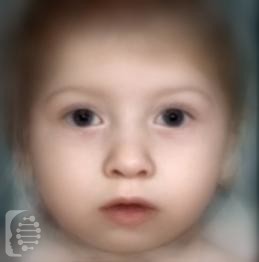
- Unique facial features of the syndrome include widely spaced eyes, full cheeks, low-set ears, thin eyebrows, narrow nostrils, and short big toes.
- Dislocation and looseness of the joints are also common symptoms. Along with a sunken breastbone and scoliosis.
As with the causes of the syndrome, research is ongoing into the exact symptoms of the syndrome and their prevalence.
Possible clinical traits/features:
High palate, Postnatal growth retardation, Global developmental delay, Glossoptosis, Seizure, Short neck, Pectus carinatum, Overriding aorta, Intrauterine growth retardation, Inguinal hernia, Low-set ears, Pectus excavatum, Micrognathia, Joint contracture of the hand, Joint dislocation, Joint laxity, X-linked recessive inheritance, Ventricular septal defect, Umbilical hernia, Talipes equinovarus, Sporadic, Camptodactyly, Ulnar deviation of the 2nd finger, Pseudoepiphyses of the 2nd finger, Recurrent abscess formation, Clinodactyly of the 5th finger, Cleft upper lip, Coarctation of aorta, Cystic hygroma, Cryptorchidism, Turricephaly, Facial palsy, Dextrocardia, Cleft palate, Bilateral single transverse palmar creases, Abnormality of the pinna, Abnormality of the ribs.
How is it diagnosed?
To find out if someone has a diagnosis of Catel-Manzke syndrome (CATMANS), it is important to have a consultation and evaluation with a clinical genetic specialist. Specialists may also suggest specific genetic testing or other types of tests to help reach a diagnosis. FDNA’s AI technology can help speed up the diagnostic process by analyzing facial features and other health information.