What is Blepharophimosis, Ptosis, and Epicanthus Inversus (BPES)?
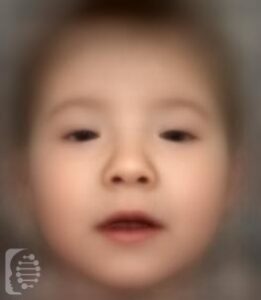
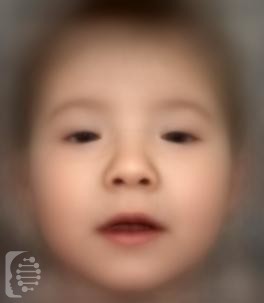
Blepharophimosis, Ptosis, and Epicanthus Inversus a rare developmental conditions usually recognizable at birth due to their unique facial features relating mainly to the eyes.
There are two types of the disease, type 1 and type 2.
This syndrome is also known as:
BPES Komoto’s syndrome
What gene change causes Blepharophimosis, Ptosis, and Epicanthus Inversus (BPES)?
Changes to the FOXL2 gene on chromosome 3 are responsible for causing the syndrome.
The disease can be inherited in an autosomal recessive, autosomal dominant or be a de novo mutation in a family.
In some cases, a genetic syndrome may be the result of a de-novo mutation and the first case in a family. In this case, this is a new gene mutation which occurs during the reproductive process.
Autosomal recessive inheritance means an affected individual receives one copy of a mutated gene from each of their parents, giving them two copies of a mutated gene. Parents, who carry only one copy of the gene mutation will not generally show any symptoms but have a 25% chance of passing the copies of the gene mutations onto each of their children.
In the case of autosomal dominant inheritance just one parent is the carrier of the gene mutation, and they have a 50% chance of passing it onto each of their children. Syndromes inherited in an autosomal dominant inheritance are caused by just one copy of the gene mutation.
What are the main symptoms of Blepharophimosis, Ptosis, and Epicanthus Inversus (BPES)?
The main features of the syndrome are present at birth and include the following:
- Narrow eyes
- Droopy eyelids
- Widely set eyes
- An upward fold of the skin on the inner lower eyelids
The Type 1 form of the syndrome includes premature ovarian failure as well as these main four symptoms. Type 2 does not include premature ovarian failure.
Possible clinical traits/features:
Female infertility, Cupped ear, Decreased fertility, Microcornea, Epicanthus, Epicanthus inversus, Increased circulating gonadotropin level, Telecanthus, Synophrys, Ptosis, Premature ovarian insufficiency, Strabismus, Nystagmus, Autosomal dominant inheritance, Hypermetropia, Depressed nasal bridge, High palate, Lacrimation abnormality, Abnormality of the breast, Abnormal hair morphology, Blepharophimosis, Amenorrhea, Wide nasal bridge, Microphthalmia, Myopia.
How is it diagnosed?
To find out if someone has a diagnosis of Blepharophimosis, Ptosis, and Epicanthus Inversus (BPES), it is important to have a consultation and evaluation with a clinical genetic specialist. Specialists may also suggest specific genetic testing or other types of tests to help reach a diagnosis. FDNA’s AI technology can help speed up the diagnostic process by analyzing facial features and other health information.