What is 3MC syndrome?
3MC syndrome is a rare genetic syndrome, the exact prevalence of which is unknown.
The syndrome as named combines four previously separately identified and named disorders, Mingarelli, Malpuech, Michels, and Carnevale, which are now known collectively as 3MC.
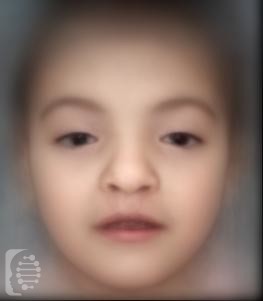
The main symptoms of the syndrome include developmental delay, and unique facial features, including features affecting the eyes.
This syndrome is also known as:
3MC Craniosynostosis With Lid Anomalies; Michels Syndrome; Formerly Oculopalatoskeletal Syndrome
What gene change causes 3MC syndrome?
Mutations to the COLEC11, COLEC10, and MASP1 genes are responsible for the syndrome which is inherited in an autosomal recessive pattern.
Autosomal recessive inheritance means an affected individual receives one copy of a mutated gene from each of their parents. Parents, who carry only one copy of the gene mutation will not generally show any symptoms but have a 25% chance of passing the copies of the gene mutations onto each of their children.
what are the main symptoms of 3MC syndrome?
Unique facial features of the syndrome include widely spaced eyes, narrowing of the eye-opening, droopy eyelids, high-arched eyebrows, and short stature. A cleft lip and palate are also potential syndromes.
Other associated symptoms include developmental delay, intellectual disability, hearing loss, and slow growth in childhood.
Possible clinical traits/features:
Wide anterior fontanel, Omphalocele, Autosomal recessive inheritance, Sacral dimple, Clinodactyly of the 5th finger, Conjunctival telangiectasia, Cleft upper lip, Conductive hearing impairment, Coronal craniosynostosis, Dental crowding, Epicanthus inversus, Single interphalangeal crease of fifth finger, Intellectual disability, mild, Abnormality of eye movement, Lambdoidal craniosynostosis, Broad foot, Abnormal anterior chamber morphology, Cleft palate, Blepharophimosis, Postnatal growth retardation, Growth delay, Glaucoma, Short 5th finger, Short foot, Underdeveloped supraorbital ridges, Hydronephrosis, Highly arched eyebrow, Hypertelorism, Radioulnar synostosis, Skull asymmetry, Spina bifida occulta, Supernumerary nipple, Ptosis, Microcephaly
How is it diagnosed?
To find out if someone has a diagnosis of 3MC syndrome, it is important to have a consultation and evaluation with a clinical genetic specialist. Specialists may also suggest specific genetic testing or other types of tests to help reach a diagnosis. FDNA’s AI technology can help speed up the diagnostic process by analyzing facial features and other health information.