What is Wiedemann-Steiner syndrome?
Wiedermann-Steiner syndrome, or Wiedemann Grosse Dibbern syndrome as it is also known, was only genetically identified in 2012.
It is characterized by short stature and the overgrowth of hair on the elbows (hypertrichosis cubiti). Developmental delay and unique facial features are also characteristic of the syndrome.
Syndrome Synonyms:
Wiedemann-Steiner Syndrome; WDSTS; Hairy Elbows, Short Stature, Facial Dysmorphism, and Developmental Delay
What gene change causes Wiedemann-Steiner syndrome?
The syndrome is caused by a mutation of the gene KMT2A on chromosome 11.
So far all diagnosed cases of the syndrome were not inherited, and the result of a sporadic or de novo mutation.
In some cases, a genetic syndrome may be the result of a de-novo mutation and the first case in a family. In this case, this is a new gene mutation which occurs during the reproductive process.
What are the main symptoms of Wiedemann-Steiner?
The main symptoms of the syndrome include developmental delay including delayed speech, hyperactivity, and anxiety.
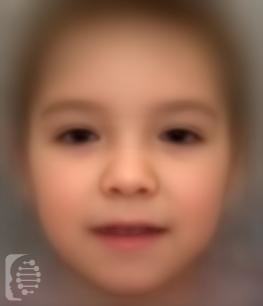
Facial and physical characteristics include a short stature, low muscle tone, wide-set eyes, facial asymmetry, long eyelashes, tapered fingertips, bushy eyebrows, a circular face, thin upper lip and a broad nasal bridge.
Other health conditions may include feeding and gastrointestinal issues, and advanced bone age.
How is it diagnosed?
To find out if someone has a diagnosis of Wiedeman-Steiner syndrome, it is important to have a consultation and evaluation with a clinical genetic specialist. Specialists may also suggest specific genetic testing or other types of tests to help reach a diagnosis. FDNA’s AI technology can help speed up the diagnostic process by analyzing facial features and other health information.