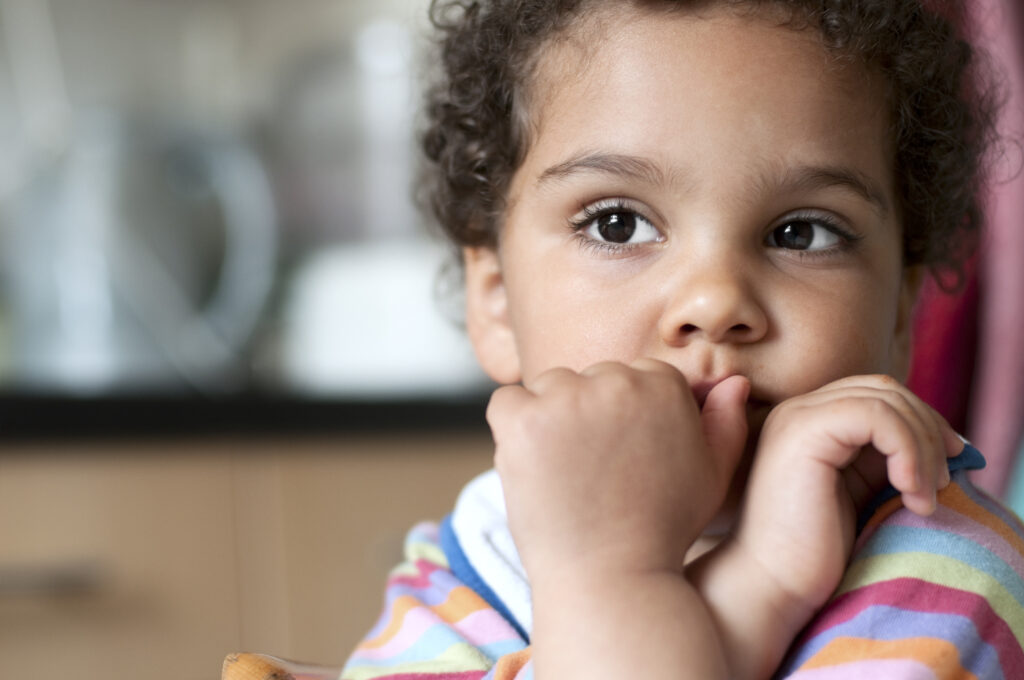
It can be both confusing and worrying when your 3-year-old is not talking but understands everything you say. You ask them to bring their shoes – they do. You tell them it’s time to eat – they go to the kitchen. Clearly, they understand you. So why aren’t they speaking much, if at all?
Many parents find themselves in this exact situation. And while every child develops at their own pace, it’s important to know what could be going on, what’s typical, and when it might be time to seek help.
What’s Normal for a 3-Year-Old?
By age 3, most children should be able to say about 200 to 1,000 words, form simple sentences like “I want juice,” and be understood by strangers about 75% of the time. However, some kids may speak less, and others may speak more – there’s a wide range of what’s considered “normal.”
But when your 3-year-old is not talking but understands, that gap between understanding and speaking might point to a speech delay or a language development issue.
Real-Life Example: Emma’s Story
Emma, a cheerful 3-year-old who loves puzzles and playing with her dog. Her parents noticed she followed directions perfectly – “Get your coat,” “Clean up your toys,” “Let’s go outside.” But she rarely used words, just the occasional “mama” or “no.” Emma’s pediatrician wasn’t too worried at first, but when her speech hadn’t picked up by 3, her parents sought an evaluation. It turned out Emma had a mild speech delay and benefited greatly from early speech therapy.
Why Is My 3-Year-Old Not Talking but Understands?
There can be several reasons behind this:
1. Speech Delay
Some children take longer to develop the motor skills needed for speech. This may be caused by oral-motor problems, hearing issues, or simply a slower developmental pace.
2. Language Delay
This is when children understand language but have difficulty expressing themselves. They may struggle to find the right words or form sentences, even though they know what they want to say.
3. Autism Spectrum Disorder (ASD)
Some children on the autism spectrum show a gap between understanding and speaking. However, a speech delay alone doesn’t mean a child is autistic. Look for other signs like limited eye contact, repetitive behaviors, or a lack of interest in social interaction.
4. Hearing Problems
Even mild hearing loss from frequent ear infections can affect how a child picks up words and sounds. Children who can’t hear clearly may struggle to reproduce speech sounds correctly.
5. Selective Mutism or Anxiety
Some children understand everything but don’t speak due to anxiety, especially in unfamiliar settings. These children may talk freely at home but remain silent elsewhere.
What Should You Do?
If your 3-year-old is not talking but understands, it’s a good idea to:
- Talk to your pediatrician: They can refer you to a speech-language pathologist or audiologist if needed.
- Get a hearing test: Rule out any hearing issues.
- Consider early intervention services: In the U.S., each state offers free evaluations through Early Intervention programs for children under age 3. For children over 3, services may be available through the local school district.
According to the CDC, about 1 in 12 U.S. children aged 3–17 has had a disorder related to speech, language, voice, or swallowing. Early help can make a big difference – the earlier a child gets support, the better the outcome.
Tips to Support Your Child at Home
Even while waiting for professional help, there’s a lot you can do:
- Talk more: Narrate your day. “Now we’re brushing teeth,” “Let’s get your blue shirt.”
- Read together: Point to pictures and name them. Ask simple questions like “What’s this?”
- Offer choices: “Do you want milk or water?” Even if they can’t say it, they may point out – and eventually try the words.
- Model, don’t pressure: If they point to a toy, say “You want the ball!” instead of “Say ball.”
When to Act
If your 3-year-old is not talking but understands, and especially if they:
- Use fewer than 50 words
- Don’t form simple two-word phrases (“want cookie”)
- Rarely imitate speech
- Show frustration when trying to communicate
Then don’t wait. Reach out to a professional. Getting help now can lead to better language skills, stronger confidence, and a happier parent-child relationship.
Remember: If your child isn’t speaking much yet but seems to understand what you say, that can be reassuring. It means their brain is taking in language, even if they’re not using many words yet. Still, it’s a good idea to keep an eye on their progress and reach out for guidance if you’re unsure. With the right support, many children catch up – and often surprise you with how quickly they begin to talk once they’re ready.
If your 3-year-old is not talking but understands, you’re not alone – and it doesn’t mean you’ve done anything wrong. Many children show strong understanding before their words catch up. Still, trust your instincts. If something doesn’t feel right, asking questions and seeking guidance is okay – even important. The earlier you explore what’s going on, the sooner your child can get the support they may need. Whether it’s a simple speech delay or something that needs more attention, early action can open the door to real progress and peace of mind. Keep engaging, keep encouraging, and remember: every child has their timeline – your support helps them thrive on it.