Hearing that your child has been diagnosed with trisomy 21—better known as Down syndrome—can be a dizzying experience. Naturally, your mind jumps to one question: “Why did this happen?” Understanding the cause of the condition can be one helpful step in making sense of your child’s diagnosis and preparing conversations with their care team.
What Happens in Trisomy 21?
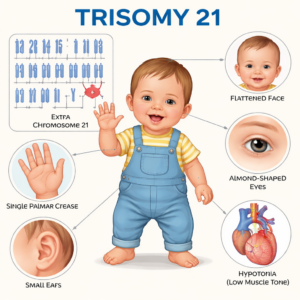
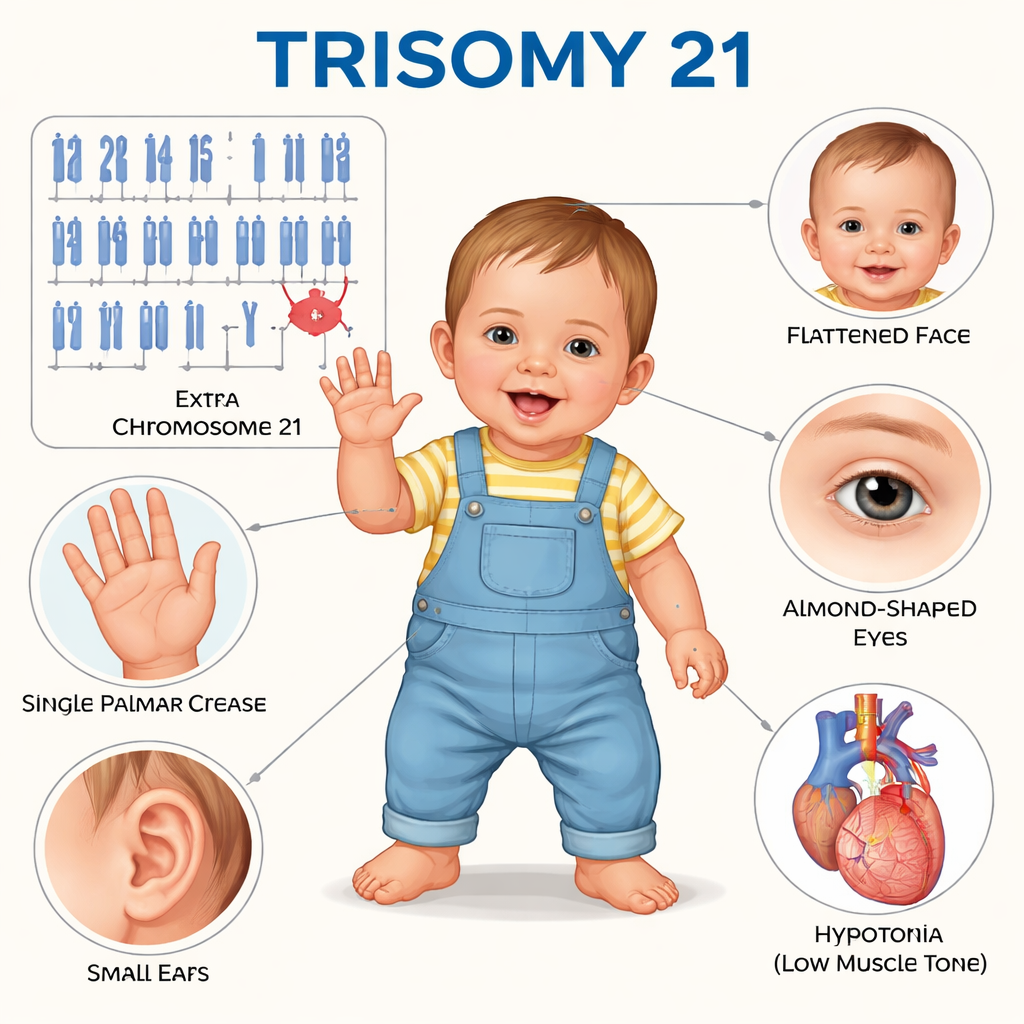
Down syndrome is a genetic condition where a person has an extra copy of one specific chromosome: chromosome 21.
Typically, humans have 46 chromosomes, arranged in 23 pairs. A person with Trisomy 21, however, has 47 chromosomes because there are three copies of chromosome 21 instead of the usual two. This additional genetic material affects the development of the body and brain, leading to the physical and intellectual characteristics associated with Down syndrome.
The Primary Cause: A Random Genetic Event
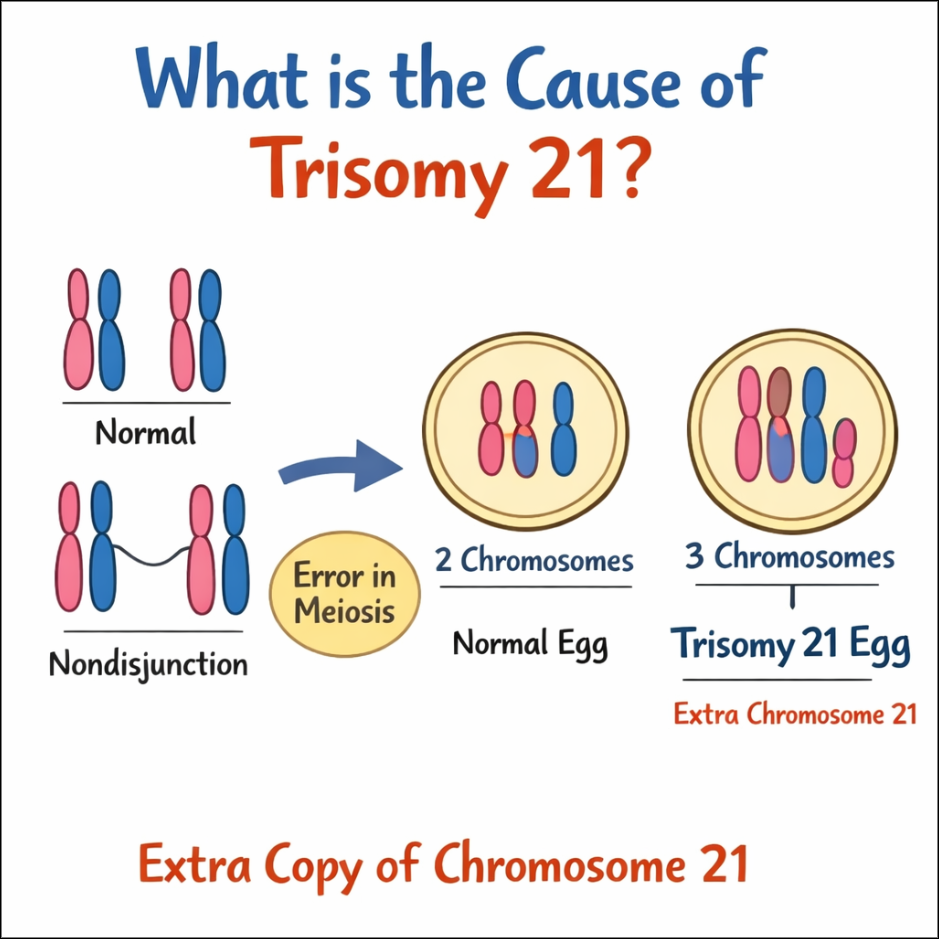
The cause of Trisomy 21 is almost always a random error in cell division.
This error is known as a nondisjunction. It happens when chromosome 21 simply fails to separate properly during the creation of an egg or sperm cell. As a result, one of these reproductive cells ends up carrying two copies of chromosome 21 instead of just one. When that cell combines with the normal cell from the other parent, the resulting embryo inherits three copies of chromosome 21.
It’s vital to know that this error is not inherited in most cases. It happens purely by chance during the formation of the egg or sperm, or sometimes very early in fetal development.
The Three Types of Down Syndrome
While the extra copy of chromosome 21 is the common factor, there are three distinct ways this can occur:
- Trisomy 21 (Nondisjunction): This is the most common, accounting for about 95% of cases. Every cell in the body has a complete extra copy of chromosome 21.
- Mosaic Down Syndrome: This is rare. The error happens after fertilization, meaning the person has a mixture of two types of cells: some with the typical 46 chromosomes, and some with 47 (the extra chromosome 21).
- Translocation Down Syndrome: This accounts for only about 3% of cases. It occurs when a piece of chromosome 21 breaks off and attaches itself to another chromosome (often chromosome 14). The individual still has the extra genetic material from chromosome 21, but it’s rearranged. This is the only type that can sometimes be inherited from a parent.
Risk Factors
While Trisomy 21 is usually a random fluke, certain factors can slightly increase the likelihood of it occurring:
- Maternal Age: The risk of having a baby with Down syndrome increases as the mother gets older, particularly after age 35. However, because women under 35 have many more babies overall, most children with Down syndrome are actually born to younger mothers.
- Parental Translocation Carrier: In those 3% of Translocation Down syndrome cases, one parent may carry a balanced translocation. This means they have the rearranged chromosome 21 material, but they aren’t affected because they still have the correct total amount of genetic material. They can, however, pass an unbalanced translocation on to their child, leading to Down syndrome. Genetic testing can identify if a parent is a carrier.
Frequently Asked Questions
| Question | Answer |
| What is the difference between Down syndrome and Trisomy 21? | Trisomy 21 is the medical term for Down syndrome. They both refer to the same genetic condition. |
| Can Trisomy 21 be prevented? | No, since the cause is typically a random, sporadic error in cell division. There are no lifestyle or medical interventions known to prevent it. |
| What is the life expectancy? | With advances in medicine and early intervention, individuals with Down syndrome now commonly live into their 50s and beyond. |
| Do most miscarriages with Trisomy 21 occur early? | Yes. The chromosomal abnormality often causes miscarriages very early in the pregnancy, sometimes before the pregnancy is even confirmed. |
Empowering Tools for Parents
How Family Health Checker App Helps Parents
Family Health Checker is an educational tool designed to help parents organize and reflect on observations about their child’s development. By guiding users through structured questions, it helps families capture information they may want to discuss with a healthcare professional and provides general educational content to support understanding. Family Health Checker is not a substitute for professional care; instead, its primary purpose is to support informed conversations with a child’s physician or care team and help parents feel better prepared for those discussions.
Conclusion
Understanding that the cause of Trisomy 21 is overwhelmingly a random genetic event that can bring a measure of peace. It confirms that this condition was not influenced by anything you did or didn’t do.
With appropriate medical support, early intervention, and strong family and community support, many individuals with Down syndrome can lead meaningful and fulfilling lives. If you have questions about risks for future pregnancies, consult with a genetic counselor who can provide personalized guidance and support.