What is Trichorhinophalangeal syndrome?
Trichorhinophalangeal syndrome is a very rare, inherited genetic syndrome that affects multiple parts of the body.
The main features and symptoms of the syndrome are craniofacial and skeletal abnormalities.
What gene change causes Trichorhinophalangeal syndrome?
Mutations to the TRPS1 and TRPS2 genes on chromosome 8 are known to cause the syndrome. The syndrome is inherited in an autosomal dominant pattern.
In the case of autosomal dominant inheritance just one parent is the carrier of the gene mutation, and they have a 50% chance of passing it onto each of their children. Syndromes inherited in an autosomal dominant inheritance are caused by just one copy of the gene mutation.
A few cases of the symptom have been identified as the result of a new gene mutation. In some cases, a genetic syndrome may be the result of a de-novo mutation and the first case in a family. In this case, this is a new gene mutation that occurs during the reproductive process.
What are the main symptoms of Trichorhinophalangeal syndrome?
- The main symptoms, which may vary in severity between individuals, include hypermobility and abnormalities relating to the bones and joints.
- Physical conditions of the syndrome include problems affecting the skin, hair, teeth, nails, and sweat glands. Many individuals have sparse, scalp hair, and by the time they reach puberty most males with the syndrome are completely bald.
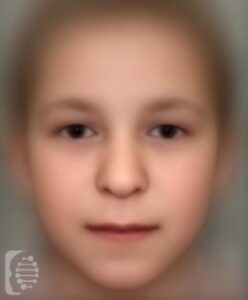
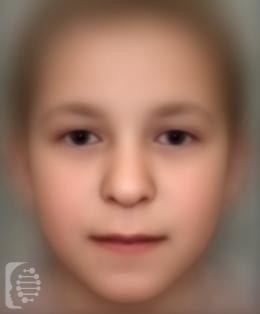
- Facial characteristics of the syndrome include a rounded nose, long, flat philtrum, a thin and long upper lip, large ears, small lower jaw, thin eyebrows, sparse eyelashes, a triangular face and a short stature. A curving of the fifth finger is also common.
Possible clinical traits/features:
Flat capital femoral epiphysis, Fine hair, Cone-shaped epiphyses of the proximal phalanges of the hand, Cone-shaped epiphyses of the middle phalanges of the hand, Concave nail, Ivory epiphyses of the distal phalanges of the hand, Coxa magna, Delayed eruption of teeth, Delayed skeletal maturation, Dental malocclusion, Deep philtrum, Avascular necrosis of the capital femoral epiphysis, Carious teeth, Arthralgia, Accelerated bone age after puberty, Abnormally low-pitched voice, Hyperlordosis, Short stature, Intellectual disability, Macrotia, Sparse lateral eyebrow, Leukonychia, Infantile muscular hypotonia, Narrow palate, Long philtrum, Microdontia, Micrognathia, Osteopenia, Pear-shaped nose, Pectus carinatum, Pes planus, Osteoarthritis, Autosomal dominant inheritance, Protruding ear, Slow-growing hair, Thin nail, Recurrent respiratory infections, Short metatarsal, Short metacarpal, Thin upper lip vermilion, Sparse hair, Swelling of proximal interphalangeal joints, Chin with horizontal crease, Scapular winging.
How is it diagnosed?
To find out if someone has a diagnosis of Trichorhinophalangeal syndrome, it is important to have a consultation and evaluation with a clinical genetic specialist. Specialists may also suggest specific genetic testing or other types of tests to help reach a diagnosis. FDNA’s AI technology can help speed up the diagnostic process by analyzing facial features and other health information.