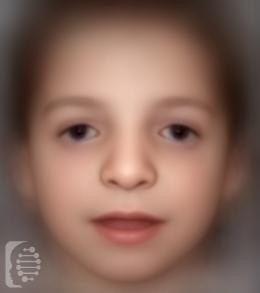
Treacher Collins syndrome, or TCS, is a rare genetic condition that affects the development of the bones and other tissues of the face before birth. It occurs in approximately 1 in 50,000 births.
The condition primarily affects the cheekbones, jaw, ears, eyelids, and palate. Depending on its severity, it may also affect breathing, feeding, hearing, speech, dental development, and vision.
Symptoms vary considerably. Some people have mild facial differences that may not be recognized immediately, while others require breathing or feeding support soon after birth. Intellectual development is usually typical.
Early recognition can help children receive appropriate airway care, hearing support, feeding assistance, developmental services, and coordinated treatment from a craniofacial team.
What Is Treacher Collins Syndrome?
Treacher Collins syndrome is a genetic craniofacial disorder, also known as mandibulofacial dysostosis. It develops when certain bones and tissues of the face do not form as expected during early fetal development.
The condition usually affects both sides of the face, although the degree of involvement varies. Commonly affected structures include:
- Cheekbones
- Lower jaw and chin
- Outer and middle ears
- Lower eyelids
- Palate
- Teeth and bite
- Upper airway
The symptoms can differ greatly, even among members of the same family who carry the same genetic variant. Researchers do not yet fully understand why one person is mildly affected while another has more significant medical needs.
What Are the Symptoms of Treacher Collins Syndrome?
Treacher Collins syndrome can affect each person differently. Facial differences are present from birth, but some related concerns, such as hearing or dental problems, can become more noticeable as a child grows.
Facial and Eye Features
Possible facial and eye findings include:
- Underdeveloped cheekbones
- A small lower jaw and chin, known as micrognathia
- Downward-slanting openings between the eyelids
- Notches or missing tissue in the lower eyelids
- Sparse or absent eyelashes near the lower-eyelid notch
- Differences in the position or shape of the eyes
- Dryness or irritation caused by incomplete protection of the eyes in some individuals
Vision is usually preserved, but an ophthalmologist may recommend monitoring when the eyelids or surrounding structures are affected.
Ear and Hearing Differences
Ear differences may include:
- Small or unusually shaped outer ears
- Partially developed or absent outer ears
- Narrow or absent ear canals
- Abnormal development of the middle-ear bones
- Conductive hearing loss
Conductive hearing loss is common in Treacher Collins syndrome because sound may not move efficiently through the outer or middle ear. Early hearing evaluation is important because reduced hearing can affect speech, language development, learning, and communication.
Hearing support can include conventional hearing aids, bone-conduction devices, or other options recommended by an audiologist and ear specialist.
Breathing and Airway Concerns
An underdeveloped lower jaw can cause the tongue to sit farther back than usual, narrowing the airway. In more severely affected infants, this may lead to:
- Noisy or difficult breathing
- Obstructive sleep apnea
- Low oxygen levels
- Difficulty breathing during feeding
- The need for specialized positioning, airway support, or surgery
Breathing concerns in a newborn or infant require prompt medical evaluation. Airway management is often the first priority when significant obstruction is present.
Feeding and Growth Concerns
Some infants experience difficulty coordinating sucking, swallowing, and breathing. A cleft palate or small jaw can make feeding challenging.
Support may include:
- Specialized bottles or nipples
- Feeding-position adjustments
- Evaluation by a feeding or swallowing specialist
- Nutrition monitoring
- Temporary tube feeding when medically necessary
Feeding needs vary, and not every child requires specialized intervention.
Mouth, Palate, and Dental Findings
Some children have:
- A cleft palate
- A high-arched palate
- Dental crowding
- Delayed or abnormal tooth development
- Misalignment of the upper and lower teeth
- Speech differences related to hearing, jaw structure, or the palate
Regular dental and orthodontic care is an important part of long-term management.
What Causes Treacher Collins Syndrome?
Treacher Collins syndrome is caused by disease-causing variants in genes involved in the early development of facial bones and tissues.
The genes currently associated with the condition include:
- TCOF1
- POLR1B
- POLR1C
- POLR1D
Most cases are caused by a pathogenic variant in the TCOF1 gene. Less commonly, variants in the other associated genes are responsible.
These genetic changes affect processes needed for the development of cells that contribute to the bones, cartilage, and tissues of the face.
Nothing a parent did before or during pregnancy causes Treacher Collins syndrome.
Is Treacher Collins Syndrome Inherited?
Most cases of Treacher Collins syndrome follow an autosomal dominant inheritance pattern. This means that a disease-causing variant in one copy of the associated gene is sufficient to cause the condition.
If a parent has an autosomal dominant form of Treacher Collins syndrome, each pregnancy has a 50% chance of inheriting the variant. However, the severity of symptoms cannot be predicted from the parent’s symptoms because the condition can vary significantly within a family.
Approximately 55% to 61% of individuals with an autosomal dominant form have a new, or de novo, genetic variant. This means the variant occurred for the first time in the affected individual and was not inherited from either parent.
Rarely, Treacher Collins syndrome may follow an autosomal recessive inheritance pattern, particularly with certain variants in POLR1C or POLR1D. In these cases, both parents usually carry one altered copy of the gene but do not have symptoms.
A genetic counselor can explain the inheritance pattern and recurrence risk for an individual family.
How Is Treacher Collins Syndrome Diagnosed?
Healthcare professionals may suspect Treacher Collins syndrome based on characteristic craniofacial findings identified before or after birth.
An evaluation may include:
- A physical and craniofacial examination
- Assessment of breathing and feeding
- Hearing tests
- Eye examinations
- Dental and orthodontic evaluation
- Imaging of the facial bones or airway when needed
- Genetic testing
Genetic testing may identify a pathogenic or likely pathogenic variant in one of the genes associated with the condition. Testing can help confirm the diagnosis, clarify the inheritance pattern, and support genetic counseling.
Because several genetic conditions can cause overlapping facial features, diagnosis should be based on a complete clinical assessment rather than appearance alone.
Can Treacher Collins Syndrome Be Detected Before Birth?
In some pregnancies, ultrasound imaging may identify facial differences such as a small jaw, cleft palate, or abnormal ear development. However, mild cases may not be visible on a routine prenatal ultrasound.
When a disease-causing variant has already been identified in a family, prenatal genetic testing or preimplantation genetic testing may be discussed with a genetic counselor and maternal-fetal medicine specialist.
Prenatal testing is a personal decision, and families should receive balanced counseling about the available options, limitations, and possible results.
How Is Treacher Collins Syndrome Managed?
There is currently no cure for Treacher Collins syndrome. Management focuses on the individual’s symptoms, medical needs, development, and stage of growth.
Care may include:
- Airway monitoring and breathing support
- Feeding and nutrition support
- Hearing aids or bone-conduction hearing devices
- Cleft-palate repair
- Speech and language therapy
- Dental and orthodontic treatment
- Eye care
- Reconstructive craniofacial procedures
- Educational and psychosocial support
Surgical timing differs for each person. Some procedures may be required during infancy to protect breathing or feeding, while reconstructive procedures involving the jaw, cheekbones, ears, or eyelids may be planned later based on growth and individual needs.
Children often benefit from care through a multidisciplinary craniofacial center.
What Specialists May Be Involved?
Depending on the child’s needs, the care team may include:
- Pediatrician
- Clinical geneticist or genetic counselor
- Craniofacial or plastic surgeon
- Otolaryngologist
- Audiologist
- Pulmonologist or sleep specialist
- Ophthalmologist
- Dentist and orthodontist
- Oral and maxillofacial surgeon
- Speech-language pathologist
- Feeding or swallowing specialist
- Psychologist or social worker
Not every child will require every specialist.
Living With Treacher Collins Syndrome
Most people with Treacher Collins syndrome have typical intellectual development. Hearing loss, speech differences, frequent medical appointments, or social experiences related to facial differences may nevertheless affect learning and emotional well-being.
Early hearing support and appropriate educational accommodations may help children access communication and classroom instruction. Psychological support, peer communities, and advocacy organizations may also help individuals and families address social challenges, confidence, and self-advocacy.
Care plans often change as a child grows. Regular follow-up can help monitor breathing, sleep, hearing, speech, dental development, vision, and facial growth.
Frequently Asked Questions
What are the symptoms of Treacher Collins syndrome?
Common features include underdeveloped cheekbones, a small lower jaw, downward-slanting eyes, lower-eyelid differences, absence of eye lashes on the lower lids, small or absent outer ears, conductive hearing loss, dental crowding, and cleft palate.
More severely affected infants may experience breathing or feeding difficulties. Symptoms vary considerably, and not everyone has every feature.
Does Treacher Collins syndrome affect intelligence?
Intellectual development is usually typical. However, untreated hearing loss, speech difficulties, medical complications, or interrupted access to education may affect learning and communication.
Early hearing assessment, communication support, and appropriate educational accommodations can help address these challenges.
Can Treacher Collins syndrome be treated?
There is no cure, but many associated medical and developmental concerns can be managed. Treatment may include airway support, hearing devices, feeding assistance, speech therapy, dental and orthodontic care, cleft-palate repair, and reconstructive procedures.
The treatment plan depends on the person’s symptoms, age, growth, and individual goals.
What is the life expectancy for someone with Treacher Collins syndrome?
Life expectancy is generally typical when airway difficulties and other significant medical complications are appropriately recognized and managed.
Severe airway obstruction can be life-threatening during infancy. For this reason, early airway assessment and specialist care are important.
Is Treacher Collins syndrome inherited?
It can be inherited, but many affected individuals are the first person in their family to have the condition.
Most cases follow an autosomal dominant pattern. In this form, an affected parent has a 50% chance of passing the disease-causing variant to each child. Rare autosomal recessive forms also occur.
Can two people in the same family have different symptoms?
Yes. Treacher Collins syndrome can vary significantly within the same family. A parent may have subtle facial or ear differences, while their child may have more significant breathing, hearing, or craniofacial involvement.
The severity in a child cannot be reliably predicted based on the parent’s symptoms.
What specialists should my child see?
Children benefit from evaluation by a multidisciplinary craniofacial team. Depending on their needs, this may include specialists in genetics, craniofacial surgery, ear and hearing care, airway management, ophthalmology, dentistry, orthodontics, speech, feeding, and psychosocial support.
Medical disclaimer: This article is for educational purposes only and should not replace professional medical advice, diagnosis, or treatment. Contact a qualified healthcare professional if you have concerns about your child’s breathing, feeding, hearing, development, or health.