What is Sotos syndrome?
Sotos syndrome is a genetic disorder characterized by excessive growth in individuals with the syndrome.
This excessive growth usually begins in infancy (but prenatal cases have been documented) and lasts through adolescence. It is often accompanied by advanced bone age.
The syndrome occurs in 1 in 14,000 live births and affects males and females similarly.
Syndrome Synonyms:
Cerebral gigantism
What gene change causes Sotos syndrome?
In 90% of cases, the syndrome occurs due to mutations in the NSD1 gene.
In the case of autosomal dominant inheritance, just one parent is the carrier of the gene mutation, and they have a 50% chance of passing it onto each of their children. Syndromes inherited in an autosomal dominant inheritance are caused by just one copy of the gene mutation.
What are the main symptoms of Sotos syndrome?
- The main symptoms of Sotos syndromes may vary between individuals and may also vary in the extent of their severity.
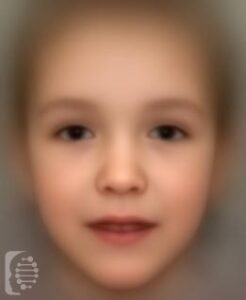
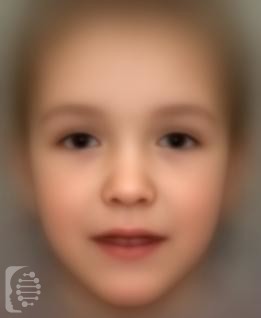
- The syndrome’s typical facial characteristics include a large head, a long, narrow face, and a high forehead. Flushed cheeks, a pointed chin, and widely spaced eyes, a high palate, and a receding hairline are common features of the syndrome.
- Other potential symptoms include congenital heart defects, although they are rarely severe, seizures, and scoliosis in 40% of cases.
- Intellectual disability and developmental delay are also common among individuals diagnosed with the syndrome, particularly speech delay.
- Balance and mobility issues are also common symptoms.
Possible clinical traits/features:
Anxiety, Accelerated skeletal maturation, Scoliosis, Intellectual disability, Long face, Narrow face, Autosomal dominant inheritance, and Overgrowth.
How is it diagnosed?
To find out if someone has a diagnosis of Sotos syndrome, it is important to have a consultation and evaluation with a clinical genetic specialist. Specialists may also suggest specific genetic testing or other types of tests to help reach a diagnosis. FDNA’s AI technology can help speed up the diagnostic process by analyzing facial features and other health information.