What is Rubinstein-Taybi syndrome?
Rubinstein-Taybi syndrome is a very rare genetic condition and occurs in anywhere between 1 in 100-300,000 live births. It occurs in males and females equally.
Health conditions associated with Rubinstein-Taybi syndrome vary considerably between individuals with the syndrome and also vary in severity between individuals. These health conditions usually include broad thumbs and first toes, developmental delay and intellectual disability, characteristic facial features, and possible cardiac and respiratory problems.
Also known as Rubinstein syndrome; Broad Thumbs and Great Toes, Characteristic Facies, and Mental Retardation; Broad Thumb-Hallux syndrome
What gene change causes this syndrome?
Rubinstein-Taybi syndrome occurs, in 50-60% of cases, due to pathogenic variants in the CREBBP gene. In the remainder of cases, mutations in EP300 are believed to be the cause. The syndrome occurs randomly and is not generally inherited.
In some cases, a genetic syndrome may be the result of a de-novo mutation and the first case in a family. In this case, this is a new gene mutation which occurs during the reproductive process.
What are the main symptoms of Rubinstein-Taybi syndrome?
- The main symptoms of Rubinstein-Taybi syndrome vary considerably between individuals and may also vary in the extent of their severity.
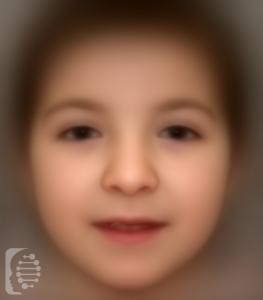
- Common symptoms include broad thumbs and 1st toes and downward slanted eyes, widely-spaced eyes, high arched eyebrows, droopy eyelids, and long eyelashes. Frequent eye infections are another common symptom of the syndrome.
- Mild to severe intellectual disability and developmental delay is also characteristic of Rubinstein-Taybi syndrome. There are associations between the syndrome and a higher risk of a diagnosis for autism, ADHD, and other impulse-associated disorders.
- Some possible but not necessarily exclusive symptoms include short stature, small head and jaw, a high arched palate, excessive hairiness, as well as potential cardiac and respiratory problems.
How is it diagnosed?
To find out if someone has a diagnosis of Rubinstein-Taybi, it is important to have a consultation and evaluation with a clinical genetic specialist. Specialists may also suggest specific genetic testing or other types of tests to help reach a diagnosis. FDNA’s AI technology can help speed up the diagnostic process by analyzing facial features and other health information.