What is Pitt-Hopkins syndrome (PTHS)?
Pitt-Hopkins syndrome is a genetic disorder with symptoms including, intellectual disability, characteristic facial features, and abnormal pattern of respiration or breathing (hyperventilation followed by apnea).
Seizures and unique facial features are also considered characteristic of this rare congenital, multiple anomalies disease.
Syndrome Synonyms:
Encephalopathy, Severe Epileptic, with Autonomic Dysfunction Mental Retardation, Syndromal, with Intermittent Hyperventilation; Pitt-Hopkins-wide mouth, mental retardation, overbreathing
What gene change causes Pitt-Hopkins syndrome (PTHS)?
The syndrome is caused by mutations to the gene TCF4 on chromosome 18.
Mutations are de novo and not inherited. In some cases, a genetic syndrome may be the result of a de-novo mutation and the first case in a family. In this case, this is a new gene mutation which occurs during the reproductive process.
What are the main symptoms of Pitt-Hopkins syndrome (PTHS)?
Individuals with the syndrome may suffer with varying degrees of intellectual disability and developmental delays. Behavioural problems are also common. Most adults with the syndrome are affected by a lack of speech ability.
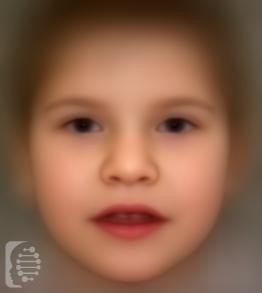
Facial and physical characteristics include deep set eyes, myopia, a broad or beaked nasal bridge, a large mouth, tented upper lip, widely spaced teeth, a wide and shallow palate and ears with a thick and overfolded helix.
Other health conditions include gastrointestinal issues, seizures and rapid breathing or breath holding.
Possible clinical traits/features:
Intermittent hyperventilation, Upslanted palpebral fissure, Clinodactyly, Strabismus, Short philtrum, Thick lower lip vermilion, Microcephaly, Muscular hypotonia, Micropenis, Neurological speech impairment, Myopia, Anteverted nares, Narrow foot, Narrow forehead, Intellectual disability, progressive, Intellectual disability, severe, Tapered finger, Abnormality of the dentition, Abnormal palate morphology, Astigmatism, Apnea, Absent speech, Aggressive behavior, Wide nasal bridge, Dysautonomia, Encephalopathy, Deeply set eye, Cupped ear, Cryptorchidism, Motor delay, Coarse facial features, Clubbing, Constipation, Hypoplasia of penis, Hypopigmented skin patches, Cognitive impairment, Hypoplasia of the corpus callosum, Incoordination, Gastroesophageal reflux, Gait ataxia, Full cheeks, Seizure, Widely spaced teeth, Single transverse palmar crease, Open mouth, Autosomal dominant inheritance, Pes planus, Wide mouth, Thickened helices, Short neck.
How is it diagnosed?
To find out if someone has a diagnosis of Pitt-Hopkins syndrome (PTHS), it is important to have a consultation and evaluation with a clinical genetic specialist. Specialists may also suggest specific genetic testing or other types of tests to help reach a diagnosis. FDNA’s AI technology can help speed up the diagnostic process by analyzing facial features and other health information.