Overview
Opitz GBBB syndrome is a rare genetic condition that mainly affects males. Females are carriers for this X-linked disorder but rarely show any symptoms.
The syndrome presents with symptoms that may vary considerably between individuals in their presence and severity.
The defining features of this rare disease include, widely spaced eyes, and issues affecting the voice box, windpipe and esophagus.
This syndrome is also known as:
BBB syndrome Hypertelorism with Esophageal Abnormality and Hypospadias; Hypertelorism-hypospadias Syndrome; Oculo-genito-laryngeal syndrome; Opitz BBBG Syndrome, Type I; BBBG1 Opitz GBBB Syndrome, X-linked Opitz Syndrome, X-linked; OSX Opitz Syndrome; OS Opitz-Frias syndrome Opitz-G Syndrome, Type I; OGS1 Telecanthus-hypospadias Syndrome
What gene change causes Opitz GBBB syndrome?
The MID1 gene is responsible for causing the syndrome.
The syndrome is an X-linked genetic condition. This means females are often only carriers for the syndrome and pass it on to their sons.
In the case of autosomal dominant inheritance, just one parent is the carrier of the gene mutation, and they have a 50% chance of passing it onto each of their children. Syndromes inherited in an autosomal dominant inheritance are caused by just one copy of the gene mutation.
What are the main symptoms of Opitz GBBB syndrome?
The main symptoms of the syndrome include unique facial features, developmental delay, intellectual disability, and sometimes genital abnormalities.
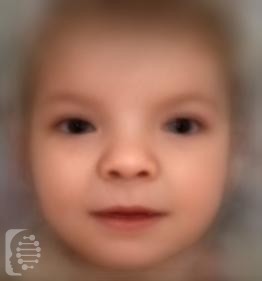
Unique facial characteristics of the disorder include widely spaced eyes, a prominent forehead, a broad nasal bridge, and a cleft lip and or palate.
Other related health conditions or issues include respiratory abnormalities, brain defects, and congenital heart defects.
Possible clinical traits/features:
Anteverted nares, Abnormality of the nasopharynx, Aspiration, Wide nasal bridge, Cleft palate, Anal atresia, Widow’s peak, Posterior pharyngeal cleft, Malformation of the heart and great vessels, Cleft upper lip, Cryptorchidism, Agenesis of corpus callosum, Dysphagia, Smooth philtrum, X-linked recessive inheritance, Thin upper lip vermilion, Telecanthus, Prominent forehead, Frontal bossing, Hypertelorism, Global developmental delay, Hypospadias, Gastroesophageal reflux, High palate.
How is it diagnosed?
To find out if someone has a diagnosis of Opitz GBBB syndrome, it is important to have a consultation and evaluation with a clinical genetic specialist. Specialists may also suggest specific genetic testing or other types of tests to help reach a diagnosis. FDNA’s AI technology can help speed up the diagnostic process by analyzing facial features and other health information.