What is Noonan syndrome?
Noonan syndrome is a genetic disorder that presents with unusual facial characteristics and short stature. Health conditions associated with this disorder include eczema, developmental delay, short stature, webbed neck, pulmonic stenosis, and unique facial features. It is an inherited genetic condition, and just one copy of the mutated gene in each cell is enough to cause the disorder.
Syndrome Synonyms
Female Pseudo-Turner Syndrome; Male Turner Syndrome; Noonan Syndrome; Turner Phenotype with Normal Karyotype
What gene change causes this syndrome?
Noonan syndrome is part of a group of related conditions known as RASopathies. Changes in one of several autosomal-dominant genes cause the syndrome. Around half of all cases are caused by mutations in the PTPN11 gene, with a further 10-15% of cases caused by SOS1 gene mutations. Mutations in the RAF1 and RIT1 genes are accounting for around 5% of cases. And a further 15-20% of cases present with cause unknown. The PTPN11, SOS1, RAF1, and RIT1 genes are responsible for providing the instructions for making proteins needed for cell division and growth. Mutations in the genes associated with this syndrome cause this protein to be active longer than normal rather than switching on and off in response to cell signals. This then disrupts cell growth regulation and leads to characteristic clinical features of Noonan syndrome. Noonan syndrome genes so far described are 16.
In the case of autosomal dominant inheritance, just one parent is the carrier of the gene mutation, and they have a 50% chance of passing it onto each of their children. Syndromes inherited in an autosomal dominant inheritance are caused by just one copy of the gene mutation.
What are the main symptoms of Noonan syndrome?
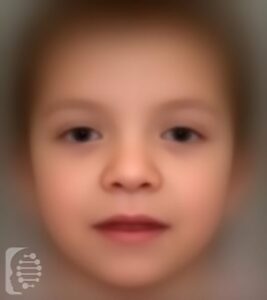
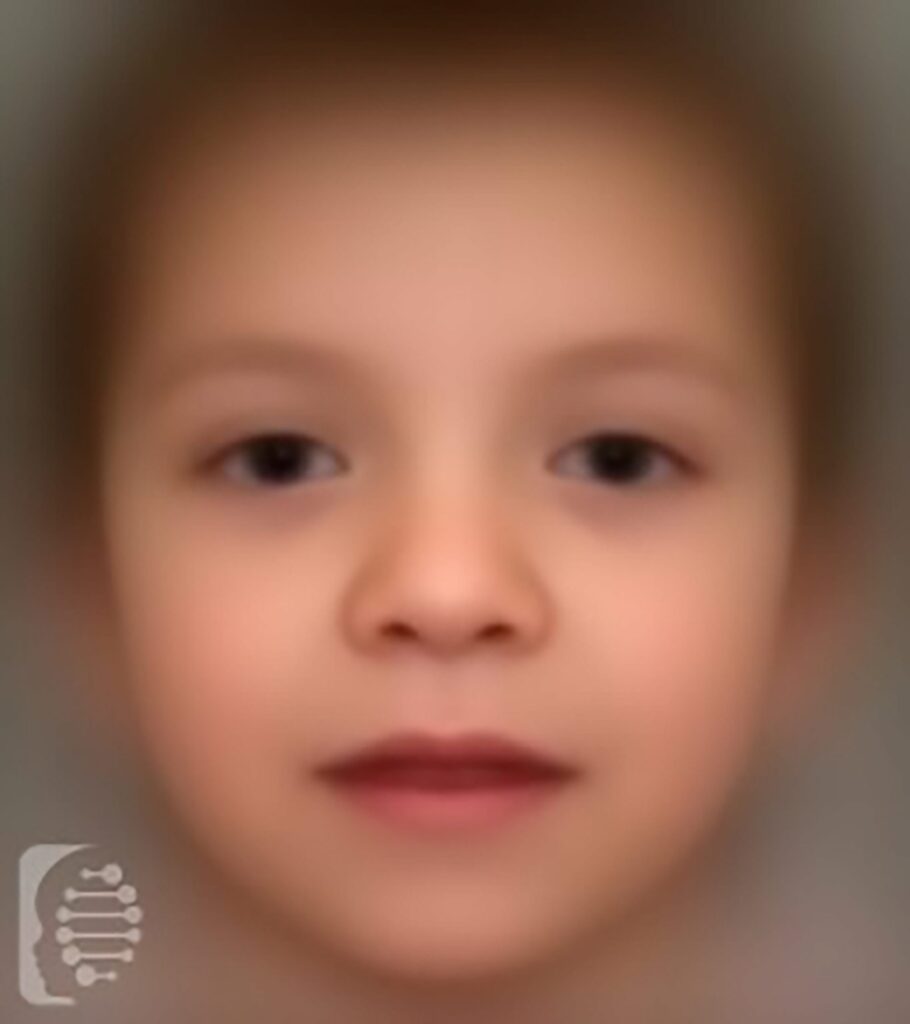
The main symptoms of Noonan syndrome include characteristic facial features such as a deep groove between the nose and mouth, widely spaced eyes that are often pale blue or blue-green, and low-set ears rotated backward. A high arch in the roof of the mouth, a small lower jaw, and excess neck skin or webbing are also all characteristics of the syndrome. Children with this syndrome are often both a normal length and weight at birth, but their growth slows over time. Individuals with the syndrome may also have a sunken or protruding chest.
Congenital heart disease can also be a symptom of Noonan syndrome, specifically a narrowing of the valve that controls blood flow from the heart to the lungs. Individuals may also present twitch hypertrophic cardiomyopathy, which enlarges and weakens the heart muscle.
Eczema and bleeding disorders are also dominant symptoms of this syndrome leading to excessive bruising and nosebleeds.
Noonan syndrome leads to delayed puberty in male adolescents and possible infertility related to undescended testes.
Most individuals with Noonan syndrome are of normal intelligence, but a developmental delay is a common symptom. Vision and hearing problems are also potential symptoms.
How is it diagnosed?
To find out if someone has a diagnosis of Noonan syndrome, it is important to have a consultation and evaluation with a clinical genetic specialist. Specialists may also suggest specific genetic testing or other types of tests to help reach a diagnosis. FDNA’s AI technology can help speed up the diagnostic process by analyzing facial features and other health information.