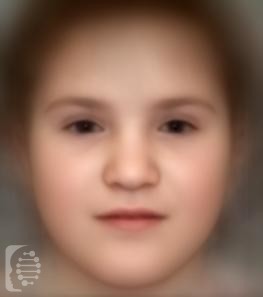
What is Myhre syndrome (MYHRS)?
Myhre syndrome is a rare disease and is incredibly rare, with fewer than 100 recorded cases worldwide to date.
Although it is believed many cases go undiagnosed and that the number of recognized cases continues to increase due to improved awareness and testing.
The main features of the syndrome include unique facial features and intellectual disability.
Syndrome Synonyms:
Growth-Mental Deficiency Syndrome of Myhre; Laryngotracheal Stenosis, Arthropathy, Prognathism, and Short Stature; Laps Syndrome; Myhre syndrome
What gene change causes Myhre syndrome (MYHRS)?
Mutations to the SMAD4 gene are responsible for the syndrome. The condition may be inherited or occur as the result of a de novo mutation. Most of the cases reported are due to a sporadic mutation.
In some cases, a genetic syndrome may be the result of a de-novo mutation and the first case in a family. In this case, this is a new gene mutation which occurs during the reproductive process.
When inherited it is inherited in an autosomal dominant pattern. In the case of autosomal dominant inheritance, just one parent is the carrier of the gene mutation, and they have a 50% chance of passing it onto each of their children. Syndromes inherited in an autosomal dominant inheritance are caused by just one copy of the gene mutation.
What are the main symptoms of Mhyre syndrome (MYHRS)?
Intellectual and behavioral problems are common to the syndrome and many individuals also receive a diagnosis of autism or are found to be on the autism spectrum disorder. Mild to moderate intellectual disability is a widely recognized symptom.
Unique facial features of the syndrome include small, narrow eye openings, a flat face, prominent nose, a prominent jaw that becomes more prominent with age.
Other physical symptoms include short stature, skeletal abnormalities, limited joint mobility, a build of scar tissue in the skin and internal organs, lung abnormalities and heart defects relating mainly to the aora, hearing problems, largely abnormal appearing muscles, a narrowing of the voice box.
Possible clinical traits/features:
Autosomal dominant inheritance, Platyspondyly, Precocious puberty, Seizure, Thin vermilion border, Short neck, Non-midline cleft lip, Obesity, Overlapping toe, Pericardial effusion, Patent ductus arteriosus, Respiratory failure, Radial deviation of finger, Camptodactyly, Thick eyebrow, Midface retrusion, Stiff skin, Clinodactyly, Ptosis, Vertebral fusion, Short long bone, Thickened calvaria, Sparse hair, Thin upper lip vermilion, Microcephaly, Strabismus, Short philtrum, Prominent nasal bridge, Hernia of the abdominal wall, Generalized muscle hypertrophy, Hypertension, Hypertelorism, Hypermetropia, Short finger, Cognitive impairment, Short stature, Hearing impairment, Hypoplastic iliac wing, Hypoplasia of the maxilla, Short toe, Fine hair, Brachydactyly, Displacement of the urethral meatus, Thickened skin, EMG abnormality, Limitation of joint mobility, Malar flattening, Cleft palate, Coarctation of aorta, Cone-shaped epiphysis, Craniofacial hyperostosis, Cryptorchidism, Deeply set eye, Behavioral abnormality.
How is it diagnosed?
To find out if someone has a diagnosis of Myhre syndrome (MYHRS), it is important to have a consultation and evaluation with a clinical genetic specialist. Specialists may also suggest specific genetic testing or other types of tests to help reach a diagnosis. FDNA’s AI technology can help speed up the diagnostic process by analyzing facial features and other health information.