What is Mowat-Wilson syndrome (MOWS)?
Mowat-Wilson syndrome is a genetic disorder that often presents with Hirschsprung disease, which is an intestinal disorder.
Intellectual disability, delayed mental and motor development, as well as a wide variety of neurocristopathies (abnormalities of cells derived from the embryonic cellular structure known as neural crest), are frequently found in this syndrome.
Syndrome Synonyms:
Microcephaly, Mental Retardation and Distinct Facial Features with or without Hirschprung Disease; Hirdchprung Disease, Mental Retardation Syndrome; Mowat-Wilson; Mowat-Wilson Syndrome
What gene change causes Mowat-Wilson syndrome (MOWS)?
The syndrome is caused by mutations in the ZEB2 gene. The majority of cases of this rare disease are due to a new gene mutation.
In some cases, a genetic syndrome may be the result of a de-novo mutation and the first case in a family. In this case, this is a new gene mutation which occurs during the reproductive process.
What are the main symptoms of Mowat-Wilson syndrome (MOWS)?
The main symptoms of the syndrome are global developmental delay including intellectual disability and delayed motor development. Individuals develop very limited, or no speech although their verbal reasoning is usually better than their actual ability to speak. Individuals with the syndrome are also often characterized by their happy personalities.
Hirschsprung disease, and intestinal health issues are a major symptom of the syndrome and these issues can cause chronic constipation.
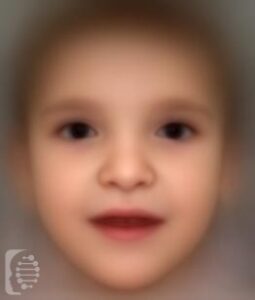
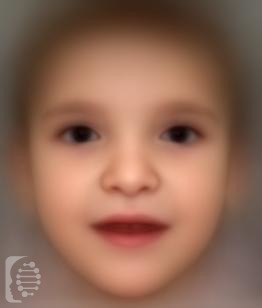
Physical features of the syndrome include short stature, extremely small heads, low muscle tone, distinctive eyebrows which are thicker in the center, uplifted earlobes, misaligned, deep-set eyes, a broad nasal bridge and a pointed nose tip.
Other health conditions associated with the syndrome may include congenital heart defects, as well as seizures and epilepsy.
Possible clinical traits/features:
Iris coloboma, Pectus excavatum, Abdominal distention, Abnormal localization of kidney, Low-set, posteriorly rotated ears, Tapered finger, Intellectual disability, Intellectual disability, moderate, Muscular hypotonia, Microcephaly, Strabismus, Camptodactyly of finger, Frontal bossing, Uplifted earlobe, Ptosis, Happy demeanor, Supernumerary nipple, Vomiting, Preaxial foot polydactyly, Ventricular septal defect, Tetralogy of Fallot, Pulmonic stenosis, Prominent nasal tip, Pulmonary artery stenosis, Pulmonary artery sling, Cupped ear, Cryptorchidism, Everted lower lip vermilion, Esotropia, Deeply set eye, Epicanthus, Finger syndactyly, Fine hair, External ear malformation, Constipation, Low hanging columella, Broad columella, Cleft upper lip, Deep plantar creases, Delayed eruption of teeth, Motor delay, Ventriculomegaly, Displacement of the urethral meatus, Downslanted palpebral fissures, Agenesis of corpus callosum, Drooling, Cleft palate, Cerebral cortical atrophy, Wide nasal bridge, Broad eyebrow, Atrial septal defect.
How is it diagnosed?
To find out if someone has a diagnosis of Mowat-Wilson syndrome (MOWS), it is important to have a consultation and evaluation with a clinical genetic specialist. Specialists may also suggest specific genetic testing or other types of tests to help reach a diagnosis. FDNA’s AI technology can help speed up the diagnostic process by analyzing facial features and other health information.