What is Kaufman Oculocerebrofacial syndrome (KOS)
Kaufman Oculocerebrofacial syndrome is a rare genetic condition that presents with severe intellectual disability and unique facial features.
As a multi-system syndrome, it affects multiple parts of the body including the heart, stomach, and nervous system.
This syndrome is also known as:
Blepharophimosis-ptosis-intellectual Disability Syndrome; BPIDS Oculo-cerebro-facial syndrome
What gene change causes Kaufman Oculocerebrofacial syndrome (KOS)?
Changes to the UBE3B gene are responsible for the syndrome. It is inherited in an autosomal recessive pattern.
Autosomal recessive inheritance means an affected individual receives one copy of a mutated gene from each of their parents, giving them two copies of a mutated gene. Parents, who carry only one copy of the gene mutation will not generally show any symptoms but have a 25% chance of passing the copies of the gene mutations onto each of their children.
What are the main symptoms of Kaufman Oculocerebrofacial syndrome (KOS)?
The main symptom of the syndrome is severe intellectual disability.
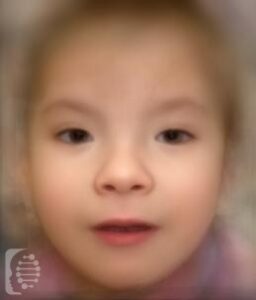
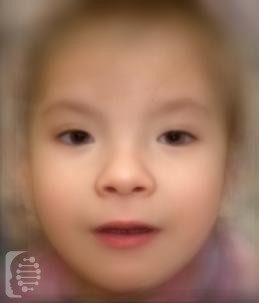
Unique craniofacial features of the syndrome include highly arched eyebrows, low-set ears, small earlobes, a very small head, a narrow nasal bridge, a long philtrum, and a narrow or thin mouth. Issues with the eyes might include crossed eyes (strabismus), structural issues with the eye,s and myopia or astigmatism.
The syndrome also presents with other malformations, including those that affect the cardiac, gastrointestinal and the central nervous system.
Possible clinical traits/features:
Absent speech, Atrial septal defect, Astigmatism, Abnormality of the pinna, Blepharophimosis, Feeding difficulties in infancy, Failure to thrive, Depressed nasal bridge, Eczema, Motor delay, Ventriculomegaly, Coarctation of aorta, Constipation, Congenital hip dislocation, Autosomal recessive inheritance, Thin skin, Autosomal dominant inheritance, Sparse hair, Microcephaly, Ptosis, Telecanthus, Strabismus, Recurrent infections, Hypoplasia of the corpus callosum, Short stature, Hypoplastic labia majora, Hypertelorism, Intestinal malrotation, Intellectual disability, severe, Low-set ears, Myopia, Narrow mouth, Anteverted nares, Laryngomalacia, Micrognathia, Muscular hypotonia.
How is it diagnosed?
To find out if someone has a diagnosis of Kaufman Oculocerebrofacial syndrome (KOS), it is important to have a consultation and evaluation with a clinical genetic specialist. Specialists may also suggest specific genetic testing or other types of tests to help reach a diagnosis. FDNA’s AI technology can help speed up the diagnostic process by analyzing facial features and other health information.