What is Kabuki syndrome?
Kabuki syndrome is a rare genetic disorder and occurs in just 1 in 32,000 births. The condition affects males and females equally.
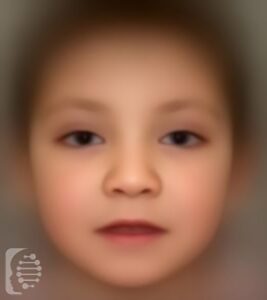
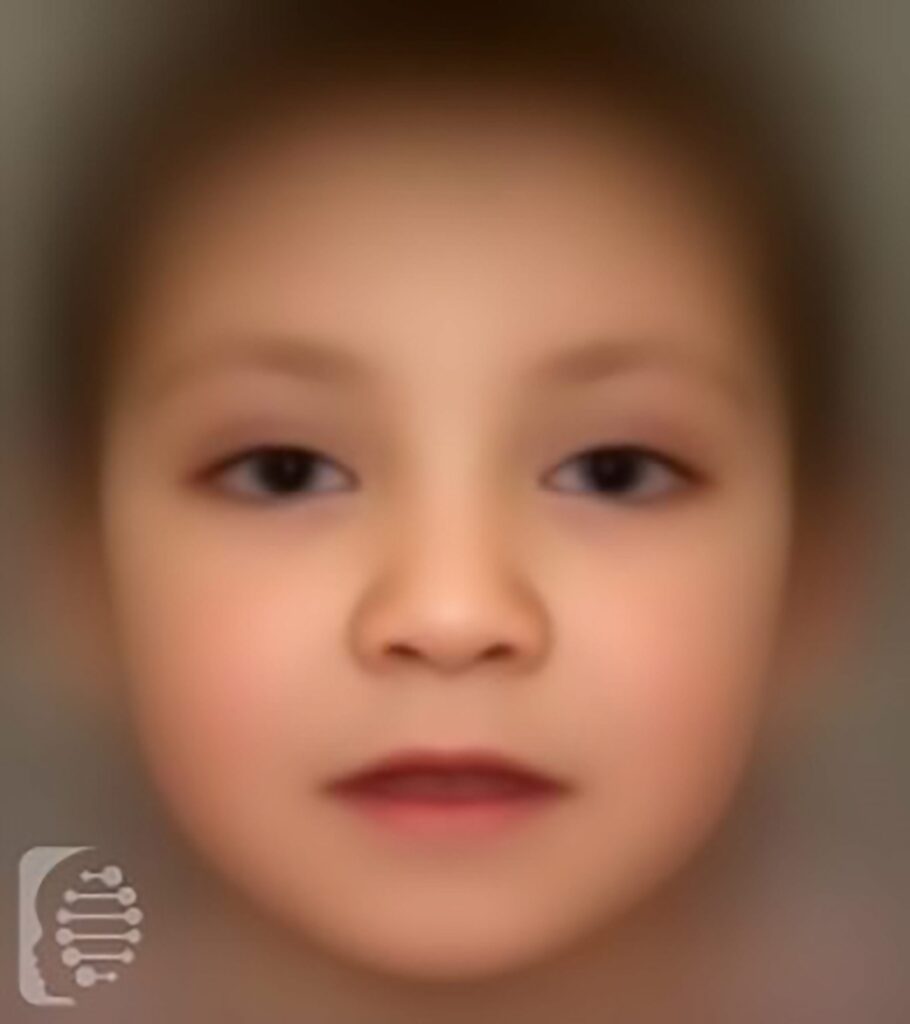
It is characterized by specific facial features, including arched eyebrows and wide-set eyes.
Health conditions associated with Kabuki syndrome may include short stature, immunological abnormalities, and elongated eyes, similar to those painted on the Japanese Kabuki theatre actors – hence the name. In medical terms, this eye form is called palpebral fissures with eversion of the lateral third of the lower eyelid. Up to half of the patients may present with congenital heart defects. Mid-moderate intellectual disability and developmental delay are also a feature of the syndrome.
Syndrome Synonyms:
Kabuki make-up syndrome, Kabuki syndrome, 1 KMS, Niikawa-Kuroki syndrome
What gene change causes this syndrome?
Kabuki syndrome is a genetic condition caused by mutations in the KMT2D and KDM6A genes. Recent research suggests that mutations in other genes may also cause the disorder. Kabuki syndrome is very rarely inherited and occurs spontaneously. However, autosomal dominant and X-linked inheritance have been described.
In some cases, a genetic syndrome may be the result of a de-novo mutation and the first case in a family. In this case, this is a new gene mutation which occurs during the reproductive process.
What are the main symptoms of Kabuki syndrome?
The main symptoms of Kabuki syndrome include characteristic facial features such as arched eyebrows, wide-set or misaligned eyes, a flat nasal tip, and large ears. A small mouth or jaw and a possible cleft palate are also features of the genetic condition.
Congenital heart defects may be a symptom of Kabuki syndrome. Other health conditions can include bone abnormalities (short fingers, scoliosis), hypotonia (low muscle tone), hearing problems and/or hearing loss, endocrine issues, dental problems, seizures, and epilepsy. Early puberty in girls may be another symptom.
Individuals with Kabuki syndrome are usually diagnosed with some degree of intellectual disability and/or developmental delay.
Possible clinical traits/features:
Hypodontia, Highly arched eyebrow, Hirsutism, High palate, Depressed nasal tip, Generalized joint laxity, Global developmental delay, Short stature, Strabismus, Microcephaly, Central hypotonia, X-linked dominant inheritance, Pulmonic stenosis, Short columella, Cleft palate, Broad nasal tip, Atrioventricular canal defect, Atrial septal defect, Behavioral abnormality, Abnormality of the breast, Seizure, Prominent fingertip pads, Protruding ear, Natal tooth, Neonatal hypoglycemia, Long eyelashes, Long palpebral fissure, Muscular hypotonia, Sparse lateral eyebrow, Eversion of lateral third of lower eyelids, Cupped ear, Decreased body weight, Dental malocclusion, Brachydactyly, Coarctation of aorta, Feeding difficulties in infancy.
How is it diagnosed?
To find out if someone has a diagnosis of Kabuki syndrome, it is important to have a consultation and evaluation with a clinical genetic specialist. Specialists may also suggest specific genetic testing or other types of tests to help reach a diagnosis. FDNA’s AI technology can help speed up the diagnostic process by analyzing facial features and other health information.