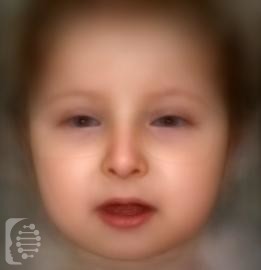
What is Hallerman-Streiff syndrome (HSS)?
Hallerman-Streiff syndrome is a rare genetic syndrome with a wide variety of symptoms.
These symptoms include abnormalities to the skull and craniofacial regions, as well as ocular (eye) and dental abnormalities.
The syndrome was first recorded in 1893, and there have been 150 reported cases of the syndrome, to date.
This syndrome is also known as:
Francois Dyscephalic Syndrome; Francois syndrome; HSS Oculo-mandibulo-dyscephaly
What gene change causes Hallermann-Streiff syndrome (HSS)?
The syndrome is believed to be caused by new genetic mutations that have not yet been identified.
The mode of inheritance is also currently unknown.
What are the main symptoms of Hallermann-Streiff syndrome (HSS)?
The syndrome has a number of features and symptoms which may vary between individuals.
Unique physical characteristics of the symptom include deformities to the skull and craniofacial areas.
The facial features of this syndrome include a short and broad head, a prominent forehead, and a prominent lower jaw. A high-arched palate, very small eyes, and a thin, tapered nose are also facial features of the syndrome.
Individuals may also be affected by changes to the skin, especially on the scalp and nose. They may also have sparse scalp hair. Dental defects are also common, including the delayed eruption of teeth.
Conditions relating to the eyes are characteristic to the syndrome, and these might include congenital cataracts (a clouding of the eyes).
Possible clinical traits/features:
Hypoplasia of the zygomatic bone, Underdeveloped nasal alae, Short foot, Hypothyroidism, Hypotrichosis of the scalp, Visual impairment, High palate, Hyperactivity, Short stature, Glossoptosis, Cognitive impairment, Hyperlordosis, Glaucoma, Bilateral tonic-clonic seizure, Parietal bossing, Platybasia, Nystagmus, Obstructive sleep apnea, Sparse eyelashes, Telangiectasia, Thin ribs, Thin vermilion border, Iris coloboma, Joint hypermobility, Intellectual disability, Abnormality of hair texture, Increased number of teeth, Abdominal situs inversus, Inflammatory abnormality of the eye, Micrognathia, Pectus excavatum, Microphthalmia, Metaphyseal widening, Narrow mouth, Narrow nose, Narrow palate, Myopia, Natal tooth, Low-set ears, Everted lower lip vermilion, Chorioretinal coloboma, Congestive heart failure, Clinodactyly of the 5th finger, Small for gestational age, Dry skin, Downslanted palpebral fissures, Dental malocclusion, Malar flattening, Decreased number of sternal ossification centers, Fine hair.
How is it diagnosed?
To find out if someone has a diagnosis of Hallermann-Streiff syndrome (HSS), it is important to have a consultation and evaluation with a clinical genetic specialist. Specialists may also suggest specific genetic testing or other types of tests to help reach a diagnosis. FDNA’s AI technology can help speed up the diagnostic process by analyzing facial features and other health information.