What is Greig Cephalopolysyndactyly syndrome (GCPS)?
Greig Cephalopolysyndactyly syndrome is a rare genetic condition of which very few cases have been diagnosed and reported.
The main symptoms of the syndrome affect the limbs, head, and face of an affected individual.
Symptoms may vary widely between individuals.
Also known as Polysyndactyly with Peculiar Skull Shape
What gene change causes Greig Cephalopolysyndactyly syndrome (GCPS)?
Changes in the GLI3 gene cause the syndrome. It is inherited in an autosomal dominant pattern or may be the first case in a family.
In some cases, a genetic syndrome may be the result of a de-novo mutation and the first case in a family. In this case, this is a new gene mutation which occurs during the reproductive process.
In the case of autosomal dominant inheritance, just one parent is the carrier of the gene mutation, and they have a 50% chance of passing it onto each of their children. Syndromes inherited in an autosomal dominant inheritance are caused by just one copy of the gene mutation.
What are the main symptoms of Greig Cephalopolysyndactyly syndrome (GCPS)?
The main symptoms of the syndrome affect the fingers and toes of an individual. These features include extra fingers and toes, a very wide thumb or very large toe, and fused skin between the fingers and toes.
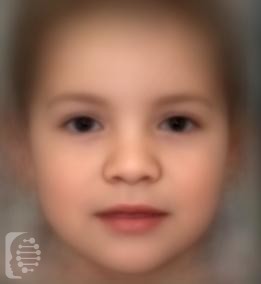
The facial features of the syndrome include widely spaced eyes, a very large head, and a high prominent forehead.
How is it diagnosed?
To find out if someone has a diagnosis of Greig Cephalopolysyndactyly syndrome (GCPS), it is important to have a consultation and evaluation with a clinical genetic specialist. Specialists may also suggest specific genetic testing or other types of tests to help reach a diagnosis. FDNA’s AI technology can help speed up the diagnostic process by analyzing facial features and other health information.