What is Feingold syndrome?
Feingold syndrome is a rare genetic syndrome that affects multiple parts of the body.
There are two types of the condition:
Type 1 and Type 2, each with their own genetic cause. Type 1 is the more common form of the syndrome.
Syndrome Synonyms:
Brachydactyly with Short Stature and Microcephaly; Digital Anomalies with Short Palpebral Fissures and Atresia of Esophagus or Duodenum; Feingold Syndrome; Microcephaly and Digital Abnormalities with Normal Intelligence; Microcephaly-Oculo-Digital-Esophageal-Duodenal syndrome; Microcephaly-oculo-digito-esophageal-duodenal Syndrome; MODED Microcephaly; Mental Retardation, and Tracheoesophageal Fistula Syndrome; MMT Syndrome; MODED Oculo-digito-oesophageo-duodenal syndrome Oculodigitoesophagoduodenal Syndrome; ODEDO Syndrome
What gene changes causes Feingold syndrome?
Type 1 is caused by changes to the MYCN gene.
Type 2 is caused by deletions to a region of Chromosome 13 which includes the MIR17HG gene.
It is inherited in an autosomal dominant pattern. In the case of autosomal dominant inheritance, just one parent is the carrier of the gene mutation, and they have a 50% chance of passing it onto each of their children. Syndromes inherited in an autosomal dominant inheritance are caused by just one copy of the gene mutation.
What are the main symptoms of Feingold syndrome?
The main symptoms of the syndrome include a number of unique physical characteristics relating to the digits of the hand and feet. These include a shortening of the 2nd and 5th fingers, a curving inward of the 5th finger, underdeveloped thumbs, and a fusion of the 2nd/3rd or 4th/5th toes.
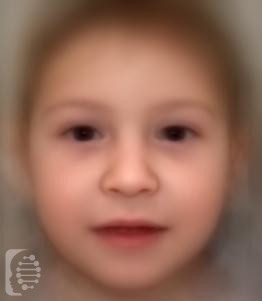
Other physical features of the syndrome include a very small head and jaw. A narrow opening of the eyelids are also common. Hearing loss and a short stature might also be features of some individuals.
Individuals with the syndrome are often also diagnosed with mild to moderate learning difficulties.
Possible clinical traits/features:
Prominent occiput, Depressed nasal tip, Hearing impairment, Short toe, High palate, Decreased fetal movement, Epicanthus, Everted lower lip vermilion, Esophageal atresia, Facial asymmetry, Duodenal atresia, Small anterior fontanelle, Autosomal dominant inheritance, Patent ductus arteriosus, Polysplenia, Posteriorly rotated ears, Annular pancreas, Accessory spleen, Wide nasal bridge, Polyhydramnios, Blepharophimosis, Asplenia, Aplasia/Hypoplasia of the middle phalanx of the 5th finger, Aplasia/Hypoplasia of the middle phalanx of the 2nd finger, 4-5 toe syndactyly, 2-3 toe syndactyly, Low-set ears, Anteverted nares, Intellectual disability, Micrognathia, Specific learning disability, Tracheoesophageal fistula, Vocal cord paralysis, Upslanted palpebral fissure, Triangular face, Microcephaly, Thick vermilion border.
How is it diagnosed?
To find out if someone has a diagnosis of Feingold syndrome, it is important to have a consultation and evaluation with a clinical genetic specialist. Specialists may also suggest specific genetic testing or other types of tests to help reach a diagnosis. FDNA’s AI technology can help speed up the diagnostic process by analyzing facial features and other health information.