What is Ehlers-Danlos syndrome, vascular type (EDSVASC)?
Ehlers-Danlos syndrome is a rare inherited connective tissue disorder, widely considered to be the most severe form of Ehlers-Danos.
It affects various parts of the body, particularly the vascular system.
Syndrome Synonyms:
EDS IV; EDS4 Ehlers-Danlos syndrome-vascular type; Ehlers-Danlos Syndrome Arterial Type; Ehlers-Danlos Syndrome Ecchymotic Type; Ehlers-Danlos Syndrome Sack-Barabas Type; Ehlers-Danlos Syndrome, Type IV, Autosomal Dominant; Ehlers-Danlos Syndrome, Vascular Type
What gene change causes Ehlers-Danlos, vascular type (EDSVASC)?
Changes in the COL3A1 are responsible for the syndrome.
It is inherited in an autosomal dominant pattern. In the case of autosomal dominant inheritance just one parent is the carrier of the gene mutation, and they have a 50% chance of passing it onto each of their children. Syndromes inherited in an autosomal dominant inheritance are caused by just one copy of the gene mutation.
What are the main symptoms of Ehlers-Danlos, vascular type (EDSVASC)?
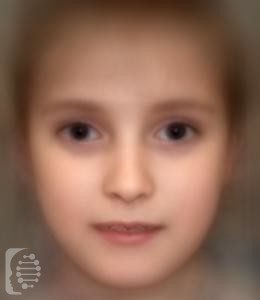
Physical features of the syndrome include thin, translucent skin and easy bruising. Thin lips, a small chin, and large eyes are also characteristic of the condition.
Symptoms might also include premature ageing of the skin on the hands and feet and early-onset varicose veins.
The most serious symptoms of the syndrome are associated with the fragile arteries, muscles and internal organs of individuals with the disease. These are caused by defects in the production of collagen, an essential protein, triggered by mutations in the genes responsible for this syndrome.
Possible clinical traits/features:
Autosomal dominant inheritance, Melanocytic nevus, Absent earlobe, Uterine prolapse, Trismus, Thin vermilion border, Osteoarthritis, Osteolysis, Osteolytic defects of the phalanges of the hand, Periodontitis, Peripheral arteriovenous fistula, Thin skin, Premature delivery because of cervical insufficiency or membrane fragility, Venous insufficiency, Prematurely aged appearance, Reduced consciousness/confusion, Premature loss of primary teeth, Premature loss of teeth, Ptosis, Telecanthus, Proptosis, Umbilical hernia, Premature birth, Spontaneous pneumothorax, Respiratory failure, Talipes equinovarus, Talipes, Vertigo, Uterine rupture, Renovascular hypertension, Telangiectasia of the skin, Foot acroosteolysis, Dilatation, Alopecia of scalp, Alopecia, Acrocyanosis, Atypical scarring of skin, Bladder diverticulum, Blue sclerae, Bruising susceptibility, Carious teeth, Cigarette-paper scars, Cerebral ischemia, Dilatation of the cerebral artery, Abnormality of the hip bone, Abnormal eyelash morphology.
How is it diagnosed?
To find out if someone has a diagnosis of Ehlers-Danlos syndrome, vascular type (EDSVASC), it is important to have a consultation and evaluation with a clinical genetic specialist. Specialists may also suggest specific genetic testing or other types of tests to help reach a diagnosis. FDNA’s AI technology can help speed up the diagnostic process by analyzing facial features and other health information.