What is Ectodermal Dysplasia 1, Hypohidrotic, X-Linked (XHED)?
Ectodermal Dysplasia is a diverse group of genetic disorders, thought to number over 180 types.
These congenital disorders are characterized by abnormalities in two or more ectodermal structures such as the hair, nails, teeth, or sweat glands; but without any other systemic findings.
Syndrome Synonyms:
Anhidrotic ectodermal dysplasia; Christ-Siemens-Touraine Syndrome; CST Syndrome ;Ectodermal Dysplasia 1, Hypohidrotic/hair/tooth Type, X-linked; ECTD1 Ectodermal Dysplasia 1; ED1 Ectodermal Dysplasia, Anhidrotic, X-linked; EDA Ectodermal Dysplasia, Anhidrotic; EDA Ectodermal Dysplasia, Hypohidrotic, 1; HED1 Ectodermal Dysplasia, Hypohidrotic; Hyperpigmentation of Eyelids Hypohidrotic ectodermal dysplasia – X-linked form XLHED
What gene change causes Ectodermal Dysplasia 1, Hypohidrotic, X-Linked (XHED)?
The disorder is X-linked, and the result of mutations in the EDA gene. These mutations affect the ectoderm, the layer of cells around the outside of the body of the developing fetus from which the hair, skin and nails develop. This triggers the abnormal tissue growth associated with the syndrome.
Syndromes inherited in an X-linked recessive pattern generally only affect males. Males only have one X chromosome, and so one copy of a gene mutation on it causes the syndrome. Females, with two X chromosomes, only one of which will be mutated, are not likely to be affected.
What are the main symptoms of Ectodermal Dysplasia 1, Hypohidrotic, X-Linked (XHED)?
The type of syndromes an individual may have will depend on which type of disorder they have.
Different types of the disorder trigger different physical symptoms which may vary in degree and severity between individuals.
Possible symptoms include teeth abnormalities, spare and or absent hair, and skin issues.
Possible clinical traits/features:
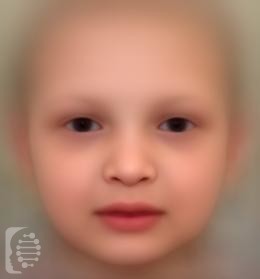
Abnormal number of teeth, Abnormality of the forehead, Abnormality of the nose, Anhidrosis, Absent nipple, Sparse hair, Everted lower lip vermilion, Ectodermal dysplasia, Dry skin.
How is it diagnosed?
To find out if someone has a diagnosis of ectodermal Dysplasia 1, Hypohidrotic, X-Linked (XHED), it is important to have a consultation and evaluation with a clinical genetic specialist. Specialists may also suggest specific genetic testing or other types of tests to help reach a diagnosis. FDNA’s AI technology can help speed up the diagnostic process by analyzing facial features and other health information.