What is DYRK1A Mutation (Intellectual Developmental Disorder, Autosomal Dominant 7; MRD7)?
DYRK1A Mutation is a rare genetic condition with symptoms that affect multiple parts of the body.
Severe intellectual disability is a defining symptom of the syndrome. It also presents with unique facial features.
This syndrome is also known as:
Intellectual disability, DYRK1A mutation; Intellectual disability, DYRK1A mutations; MRD7
What gene change causes DYRK1A Mutation (Intellectual Developmental Disorder, Autosomal Dominant 7; MRD7)?
Mutations in the DYRK1A gene are responsible for the syndrome. The syndrome is inherited in an autosomal dominant pattern.
In the case of autosomal dominant inheritance, just one parent is the carrier of the gene mutation, and they have a 50% chance of passing it onto each of their children. Syndromes inherited in an autosomal dominant inheritance are caused by just one copy of the gene mutation.
What are the main symptoms of DYRK1A Mutation (Intellectual Developmental Disorder, Autosomal Dominant 7; MRD7)?
The main symptoms of the syndrome are severe intellectual disability and a lack of speech development.
Anxiety and autistic-like behaviors are also common with the syndrome.
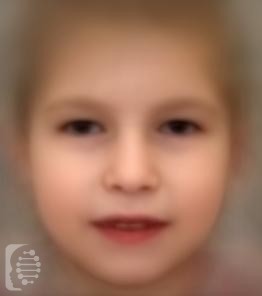
Facial features of the condition include a small head, deep-set eyes, large ears, and a pointed nasal tip.
Other symptoms of the syndrome include seizures, gait issues, and feeding difficulties in infancy.
Possible clinical traits/features:
Intellectual disability, Narrow forehead, Cerebral cortical atrophy, Autism, Microcephaly, Severe global developmental delay, Deeply set eye, Febrile seizure (within the age range of 3 months to 6 years), Failure to thrive in infancy, Autosomal dominant inheritance, Hallux valgus.
How is it diagnosed?
To find out if someone has a diagnosis of DYRK1A Mutation (Intellectual Developmental Disorder, Autosomal Dominant 7; MRD7), it is important to have a consultation and evaluation with a clinical genetic specialist. Specialists may also suggest specific genetic testing or other types of tests to help reach a diagnosis. FDNA’s AI technology can help speed up the diagnostic process by analyzing facial features and other health information.