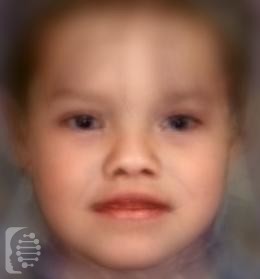
What is Char syndrome (CHAR)?
Char syndrome is a rare genetic condition that presents with 3 identifying features.
These are distinct facial features, a heart condition (patent ductus arteriosus), and hand abnormalities.
This syndrome is also known as:
Patent Ductus Arteriosus With Facial Dysmorphism And Abnormal Fifth Digits
What gene change causes Char syndrome (CHAR)?
Mutations to the TFAP2B gene cause Char syndrome. It is inherited in an autosomal dominant pattern.
In the case of autosomal dominant inheritance just one parent is the carrier of the gene mutation, and they have a 50% chance of passing it onto each of their children. Syndromes inherited in an autosomal dominant inheritance are caused by just one copy of the gene mutation.
What are the main symptoms of Char syndrome (CHAR)?
There are 3 main identifying symptoms of the syndrome:
- Distinct facial features: including a depressed nasal bridge, depressed nasal ridge, down-slanted palpebral fissures (eyelid openings), wide-set eyes, a dropping lower jaw, and triangular mouth.
- Heart condition: patent ductus arteriosus (where the patent ductus fails to close after birth allowing blood to flow from the left side of the heart from the aorta into the lungs.
- Hand abnormalities: a permanent curving of the 5th finger.
Possible clinical traits/features:
Low-set ears, Myopia, Intellectual disability, mild, Reduced consciousness/confusion, Ventricular septal defect, Supernumerary nipple, Thick eyebrow, Ptosis, Strabismus, Thick lower lip vermilion, Short philtrum, Distal/middle symphalangism of 5th finger, Symphalangism affecting the phalanges of the hand, Reduced number of teeth, Broad nasal tip, Autosomal dominant inheritance, Protruding ear, Triangular mouth, Foot polydactyly, Hand polydactyly, Toe syndactyly, Patent ductus arteriosus, Prominent occiput, Depressed nasal bridge, Hearing impairment, Broad forehead, Highly arched eyebrow, Cognitive impairment, Hypertelorism, Depressed nasal ridge, Downslanted palpebral fissures, Everted lower lip vermilion, Clinodactyly of the 5th finger, Malar flattening.
How is it diagnosed?
To find out if someone has a diagnosis of Char syndrome (CHAR), it is important to have a consultation and evaluation with a clinical genetic specialist. Specialists may also suggest specific genetic testing or other types of tests to help reach a diagnosis. FDNA’s AI technology can help speed up the diagnostic process by analyzing facial features and other health information.