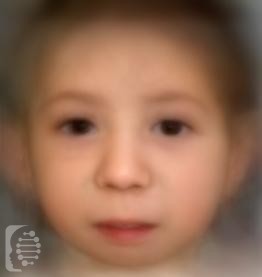
What is Cerebrocostomandibular syndrome (CCMS)?
Cerebrocostomandibular syndrome is a very rare genetic syndrome. There are around 80 cases recorded.
The syndrome mainly affects the development of the ribs and jaw of affected individuals.
However, it also presents with a wide range of symptoms that affect many different parts and systems of the body.
This syndrome is also known as:
CCMS Rib Gap Defects With Micrognathia; Rib-gap syndrome
What gene causes Cerebrocostomandibular syndrome (CCMS)?
Mutations in the SNRPB gene have been identified as one of the causes of the syndrome. However, continued research may uncover other genes that may cause the condition as some individuals with the symptoms of the syndrome do not show mutations in the SNRPB gene.
So far the majority of cases of the syndrome have been the result of de novo mutations of the gene.
In some cases, a genetic syndrome may be the result of a de-novo mutation and the first case in a family. In this case, this is a new gene mutation that occurs during the reproductive process.
What are the main symptoms of Cerebrocostomandibular syndrome (CCMS)?
The main symptoms of the syndrome affect the ribs and jaw. Individuals often have ribs missing, or spaces between the ribs. They also have a narrow rib cage. Individuals are also born with a much smaller jaw than the average (micrognathia).
50% of individuals will suffer from scoliosis (sideways curvature of the spine).
The Pierre Robin sequence of symptoms is associated with this syndrome. This includes a cleft palate, a small jaw, and a tongue that is positioned further back in the mouth than it should be.
Infants with the syndrome usually experience breathing and feeding difficulties as newborns. Surgery is often required in the first year of life to correct these issues.
An estimated 67% of individuals affected by the syndrome will suffer hearing loss.
50% of individuals will be affected by developmental delay. This may include intellectual disability as well.
Physical features associated with the syndrome include club feet, a small head, low weight and failure to thrive, and a short stature.
Individuals with the syndrome may also suffer from health conditions affecting the stomach, heart, kidneys, and urinary tract.
Possible clinical traits/features:
Atresia of the external auditory canal, Malar flattening, Clinodactyly of the 5th finger, Congenital hip dislocation, Cleft soft palate, Bell-shaped thorax, Ectopic kidney, Conductive hearing impairment, Epicanthus, Elbow flexion contracture, Nasal speech, Kyphosis, Short stature, High palate, Hydranencephaly, Short humerus, Glossoptosis, Cognitive impairment, Postnatal growth retardation, Low-set ears, Long philtrum, 11 pairs of ribs, Neonatal respiratory distress, Intellectual disability, Intrauterine growth retardation, Multicystic kidney dysplasia, Micrognathia, Myelomeningocele, Microcephaly, Short hard palate, Ventricular septal defect, Scoliosis, Tracheomalacia, Thoracic hypoplasia, Calcaneal epiphyseal stippling, Autosomal dominant inheritance, Posteriorly rotated ears, Porencephalic cyst, Autosomal recessive inheritance, Webbed neck, Abnormality of the dentition, Cerebral calcification, Polyhydramnios, Anomalous rib insertion to vertebrae.
How is it diagnosed?
To find out if someone has a diagnosis of Cerebrocostomandibular syndrome (CCMS), it is important to have a consultation and evaluation with a clinical genetic specialist. Specialists may also suggest specific genetic testing or other types of tests to help reach a diagnosis. FDNA’s AI technology can help speed up the diagnostic process by analyzing facial features and other health information.