What is Borjeson-Forssman-Lehmann syndrome (BFLS)?
Borjeson-Forssman-Lehmann syndrome is a rare genetic condition which, due to the way it is inherited, affects mainly males.
There are 40 recorded cases to date but this number is believed to be higher.
The main symptoms of the syndrome include unique facial features and intellectual disability.
This syndrome is also known as:
Borjeson Syndrome; Borjeson Mental Retardation, Epilepsy, and Endocrine Disorders Mental Retardation, X-linked, Syndromic, Borjeson-Forssman-Lehmann Type; MRXSBFL
What gene change causes Borjeson-Forssman-Lehmann syndrome (BFLS)?
Changes to the PHF6 gene on the X chromosome are responsible for the syndrome. As an X-linked recessive condition, it affects mainly males.
However, females have been recorded as presenting with some of the features of the condition, although in general, they are just carriers.
Syndromes inherited in an X-linked recessive pattern generally only affect males. Males only have one X chromosome, and so one copy of a gene mutation on it causes the syndrome. Females, with two X chromosomes, only one of which will be mutated, are not likely to be affected.
What are the main symptoms of Borjeson-Forssman-Lehmann syndrome (BFLS)?
The symptoms may vary widely between individuals, and even within individuals from the same family. There is some evidence to suggest that in some individuals symptoms may become milder with age.
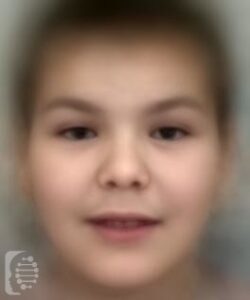
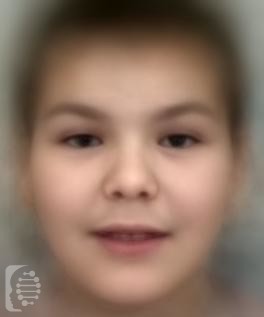
Unique facial features of the syndrome include a coarse face, droopy eyelids, deep set eyes, large and fleshy earlobes. Issues with the optic nerve and connective tissue may cause cataracts and farsightedness in adults with the condition.
Other symptoms of the syndrome include intellectual disability and developmental delay.
Obesity, seizures, and the failure of the testes and ovaries to produce hormones are also symptoms. This in turn leads to a short stature.
Possible clinical traits/features:
X-linked recessive inheritance, Abnormal hair quantity, Widely spaced toes, Scheuermann-like vertebral changes, Macrocephaly, Microcephaly, Truncal obesity, Scoliosis, Thickened calvaria, Ptosis, Thick eyebrow, Shortening of all distal phalanges of the fingers, Hypoplasia of penis, Short toe, Hypoplasia of the prostate, Visual impairment, Hearing impairment, Short stature, Kyphosis, Cognitive impairment, Gynecomastia, Blepharophimosis, Skeletal muscle atrophy, Abnormality of the hip bone, Cataract, Broad foot, Camptodactyly of toe, Cervical spinal canal stenosis, Oral cleft, Joint hypermobility, Macrotia, Intellectual disability, severe, Micropenis, Tapered finger, Muscular hypotonia, Delayed puberty, Shortening of all middle phalanges of the fingers, Deeply set eye, EEG abnormality, Cryptorchidism, Coarse facial features, Large earlobe, Peripheral neuropathy, Prominent supraorbital ridges, Scrotal hypoplasia, Seizure, Nystagmus, Obesity.
How is it diagnosed?
To find out if someone has a diagnosis of Bojerson-Forssman-Lehmann syndrome (BFLS), it is important to have a consultation and evaluation with a clinical genetic specialist. Specialists may also suggest specific genetic testing or other types of tests to help reach a diagnosis. FDNA’s AI technology can help speed up the diagnostic process by analyzing facial features and other health information.