What is Birk-Barel Mental Retardation Dysmorphism syndrome?
Birk-Barel Mental Retardation Dysmorphism syndrome, also known as KCNK9 imprinting syndrome, a rare genetic condition has been diagnosed in just 21 individuals worldwide, in 2021.
Developmental delay, intellectual disability, and unique facial features are the main symptoms of the syndrome.
This syndrome is also known as:
Birk-Barel mental retardation syndrome; Birk-Barel Syndrome Mental Retardation With Hypotonia And Facial Dysmorphism
What gene change causes Birk-Barel syndrome?
Mutations to the KCNK9 gene are responsible for the syndrome. The condition is inherited in an autosomal dominant pattern, although up to 20% of cases are believed to be de novo or new mutations.
Due to genomic imprinting only the KCNK9 gene from the mother is active, the one passed on from the father is inactive, meaning father’s can not pass on the condition.
In the case of autosomal dominant inheritance, just one parent is the carrier of the gene mutation, and they have a 50% chance of passing it onto each of their children. Syndromes inherited in an autosomal dominant inheritance are caused by just one copy of the gene mutation.
In some cases, a genetic syndrome may be the result of a de-novo mutation and the first case in a family. In this case, this is a new gene mutation which occurs during the reproductive process.
What are the main symptoms of Birk-Barel syndrome?
Symptoms of the syndrome can present as early as infancy. Babies with the syndrome are often lethargic, have a weak cry, and move much less than average.
Some infants with the condition, due to facial weakness, suffer from feeding problems, usually related to the ability to swallow, and this leads to a failure to thrive and grow properly.
Serious symptoms associated with the syndrome include intellectual disability, developmental delay, and limited speech development.
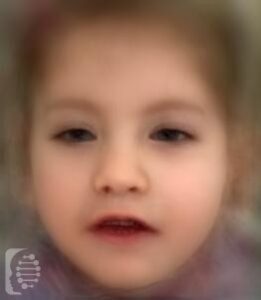
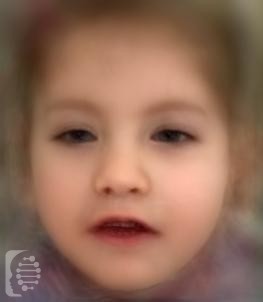
Unique facial features of the condition include a tended lip, a small lower jaw, and a cleft palate. Abnormally shaped eyebrows, an outward pointing lip, and a long face that narrows at the temple are all features of the syndrome.
Other physical conditions related to the syndrome include a long neck, narrow chest, scoliosis. and contractures or a permanent bending of the joints.
Possible clinical traits/features:
Broad eyebrow, Autosomal dominant inheritance, Sacral dimple, Highly arched eyebrow, High palate, Muscular hypotonia, Narrow forehead, Intellectual disability, Submucous cleft soft palate, Short philtrum, Thick eyebrow, Dysphagia, Feeding difficulties in infancy, Abnormal facial shape.
How is it diagnosed?
To find out if someone has a diagnosis of Birk-Barel syndrome, it is important to have a consultation and evaluation with a clinical genetic specialist. Specialists may also suggest specific genetic testing or other types of tests to help reach a diagnosis. FDNA’s AI technology can help speed up the diagnostic process by analyzing facial features and other health information.