What is Amyotrophy, Hereditary Neuralgic (HNA)?
Amyotrophy, Hereditary Neuralgic is a rare genetic condition that generally presents with symptoms when an affected individual reaches early adulthood.
The condition is currently believed to affect 1/30-50, 000.
Severe arm and shoulder pain, which can last anywhere from a few minutes to several days, is the main feature of this rare disease.
This syndrome is also known as:
Amyotrophy; Hereditary Neuralgic; With Predilection For Brachial Plexus Brachial Plexus Neuropathy; Hereditary Neuralgic amyotrophy Neuritis With Brachial Predilection; Napb Parsonage and Turner syndrome Parsonage-Turner syndrome.
What gene changes causes Amyotrophy, Hereditary Neuralgic (HNA)?
Over half of all cases of the syndrome are the result of mutations in the SEPT9 gene which can be found on chromosome 17. The remaining identified cases have no specific gene yet identified responsible for causing the syndrome. It is inherited in an autosomal dominant pattern.
In the case of autosomal dominant inheritance, just one parent is the carrier of the gene mutation, and they have a 50% chance of passing it onto each of their children. Syndromes inherited in an autosomal dominant inheritance are caused by just one copy of the gene mutation.
What are the main symptoms of Amyotrophy, Hereditary Neuralgic (HNA)?
Severe pain in the arm and shoulder is the main symptom of the syndrome. This pain can last for days or weeks at a time and causes a wasting of the muscles which worsens with time.
The syndrome is caused by gene mutations but a number of environmental, physical and emotional factors may trigger it. These factors include stress, childbirth, excessive exercise, surgery, emotional stress, colds and infections.
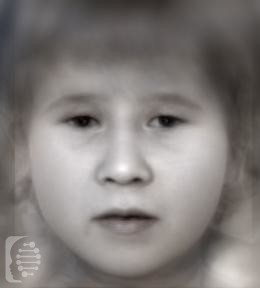
Some individuals with the syndrome have some of the following distinct facial features- facial asymmetry, webbed digits, eyes positioned very closely together, a short stature, and excess skin folds on the arms and neck.
Possible clinical traits/features:
Short stature, Hyporeflexia, Hypotelorism, Depressed nasal bridge, Respiratory failure, Round face, Sleep disturbance, Ptosis, Upslanted palpebral fissure, Axonal degeneration, Oral cleft, Cleft palate, Skeletal muscle atrophy, Acrocyanosis, Blepharophimosis, Arthralgia, Deeply set eye, Epicanthus, EMG abnormality, Facial asymmetry, Sprengel anomaly, Autosomal dominant inheritance, Peripheral neuropathy, Polyneuropathy, Paresthesia, Neurological speech impairment, Narrow mouth, Muscle weakness, Low-set ears.
How is Amyotrophy, Hereditary Neuralgic (HNA) diagnosed?
To find out if someone has a diagnosis of AMyotrophy or hereditary Neuralgic (HNA), it is important to have a consultation and evaluation with a clinical genetic specialist. Specialists may also suggest specific genetic testing or other types of tests to help reach a diagnosis. FDNA’s AI technology can help speed up the diagnostic process by analyzing facial features and other health information.